Fri, September 18, 2026

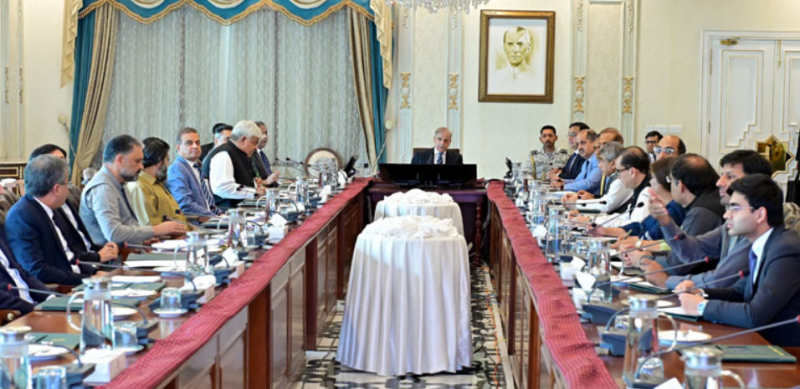
Islamabad (Web Desk): Prime Minister Shehbaz Sharif has reaffirmed the government’s strong focus on overhauling Pakistan’s taxation framework, with the aim of boosting national revenue while easing the financial pressure on the general public.
While chairing a meeting on Federal Board of Revenue (FBR) reforms in Islamabad, he underscored the importance of building a tax system that reflects modern-day needs and ensures broader economic participation.
Speaking at the meeting, the prime minister acknowledged that digitizing FBR operations has played a crucial role in helping the organization meet its fiscal targets.
He welcomed the progress made so far but stressed the need for more structured efforts within clearly defined timeframes to modernize the system fully.
PM Shehbaz directed that a detailed roadmap be developed for revamping the FBR’s digital operations, ensuring it includes set deadlines and measurable outcomes. He highlighted the need to involve all relevant stakeholders in the reform process.
The premier pointed out that facilitating taxpayers, traders, and business owners must remain central to how these changes are introduced and executed.
According to him, the reform effort should not only aim to increase revenue collection but also foster a tax environment that encourages compliance through transparency and ease.
During the briefing, officials informed the prime minister that a series of enforcement actions and policy measures had led to a significant improvement in tax indicators. Notably, Pakistan’s tax-to-GDP ratio recorded a notable rise of 1.5 percent, marking a historic improvement.
Moreover, the number of citizens filing their tax returns jumped from 4.5 million to 7.2 million, indicating growing participation in the formal economy.
A notable surge was also observed in the retail sector, where an additional ₨455 billion was collected in income tax compared to the previous year ending June 30. This gain has been attributed to increased documentation and monitoring efforts.
In addition, officials shared that the FBR’s move to implement a faceless customs clearance mechanism has yielded promising outcomes.
The new system, which aims to minimize human interaction in processing, is expected to reduce average clearance times from 52 hours to just 12 within the next three months—enhancing both efficiency and revenue collection.
The prime minister concluded the meeting by instructing further action to curb the informal economy, directing that stronger enforcement tools be used to bring more undocumented activity into the formal tax structure.
Neo News | Copyright © 2026