Thu, September 17, 2026

Islamabad (Web Desk): The federal government has reintroduced a series of fuel conservation and austerity measures, including a 50 percent reduction in the provision of fuel to official vehicles, with immediate effect.
A notification issued by the Cabinet Division on Thursday said vehicles being used for operational duties by the Armed Forces, Civil Armed Forces, Law Enforcement Agencies (LEAs), Essential Services and the Federal Board of Revenue (FBR) would not be covered by the fuel cut. The restriction, however, would apply to the administrative and non-operational wings of these organisations.
As part of the cost-cutting drive, the government has ordered a 5 percent monthly reduction in the Non-ERE Budget for the current financial year, with the required amount to be deducted each month.
The same austerity policy will also cover foreign missions, although spending on accommodation rents, educational fees and medical care arrangements will continue as before.
The government has completely stopped the procurement of vehicles of any category and also prohibited the purchase of durable goods, with IT-related equipment and services being the only exception.
Foreign trips and official travel have been suspended for the next three months, including visits considered obligatory.
Exceptions will be made for scholarships sponsored by international development partners, training and courses organised through the Economic Affairs Division, as well as programmes carried out under institutional agreements.
Where overseas travel is considered unavoidable, Ministers, Advisors, Ministers of State, Special Assistants to the Prime Minister, parliamentarians and government officials will be permitted to travel only in economy class.
Government departments have also been asked to conduct meetings through teleconferencing wherever possible, while intra-city meetings have been excluded from this requirement.
The directives also prohibit official dinners, apart from those arranged in honour of visiting foreign delegations. Government-funded seminars, training programmes and conferences have likewise been barred. In circumstances where holding such an event is unavoidable, government premises will have to be used.
The government has additionally instructed that marriage-related functions and events should serve only a single dish.
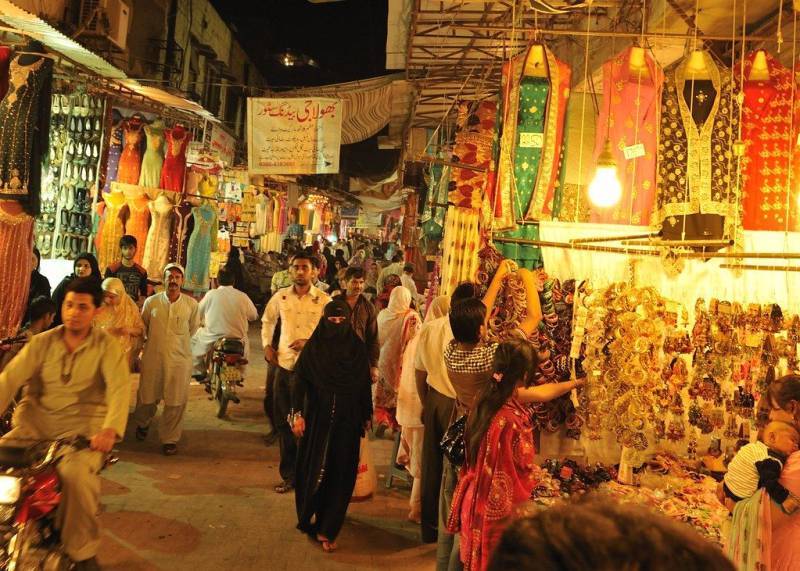
Meanwhile, the market closing hours previously announced by the Cabinet Division will remain unchanged.
Under the existing schedule, shops, markets, shopping malls, bazaars, departmental stores, grocery outlets, general stores and kiryana shops will shut at 9:00pm.
Marriage halls and other commercial locations hosting festive functions will close at 10:00pm, while restaurants, cafés, eateries, food outlets and standalone fruit and vegetable shops will remain open until 11:00pm.
Takeaway and home-delivery services will not be affected by the prescribed restaurant closing time.
The restrictions will not apply to pharmacies, medical stores, hospitals, clinics, laboratories, standalone bakeries, tandoors, milk and dairy shops, fuel and CNG stations, electric vehicle charging facilities, gyms, sports centres, IT companies and call centres.
The federal government has also asked provincial and regional governments to examine the possibility of introducing similar measures aimed at conserving fuel and reducing public expenditure.
Neo News | Copyright © 2026