Fri, September 18, 2026

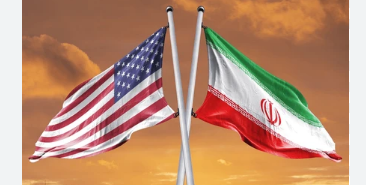
Tehran (Web Desk/Agencies): Iran’s top security authority said on Saturday that it is currently examining what it described as newly delivered proposals from the United States, even as it reiterated that its negotiating team will not soften its stance or agree to any concessions in talks with Washington.
“In recent days, with the presence of the commander of the Pakistani army in Tehran as an intermediary and mediator in the negotiations, new proposals have been put forward by the Americans, which the Islamic Republic of Iran is currently reviewing and has not yet responded to,” the Supreme National Security Council said in a statement.
Recently, with the Pakistani army commander in Tehran as mediator, new proposals have been put forward by the Americans. The Islamic Republic of Iran is reviewing them and has not yet responded.
— Press TV (@PressTV) April 18, 2026
At the same time, the council underscored that Iran’s delegation would hold firmly to its position, saying it would not accept “even the slightest compromise, retreat or leniency,” and pledged to fully safeguard what it called the interests of the Iranian nation.
Pakistan has taken on an increasingly prominent role as a mediator between Tehran and Washington, even hosting an initial round of discussions last week that ended without any agreement between the two sides.
The announcement about fresh US proposals came only hours after Iran declared it was reinstating restrictions related to the Strait of Hormuz, linking the move to what it described as an ongoing US blockade of its ports.
The decision prompted a strong reaction from US President Donald Trump, who warned Tehran against attempting to “blackmail” Washington.
The Supreme National Security Council further stated that Iran intends to maintain strict monitoring and control over maritime traffic through the strategic waterway “until the definitive end of the war,” arguing that the US blockade prevents even a “conditional and limited reopening” of the route.
It also said that any possible reopening mechanism would require Tehran to issue transit permissions for vessels and collect fees related to security, safety, and environmental services.
Neo News | Copyright © 2026