Fri, September 18, 2026

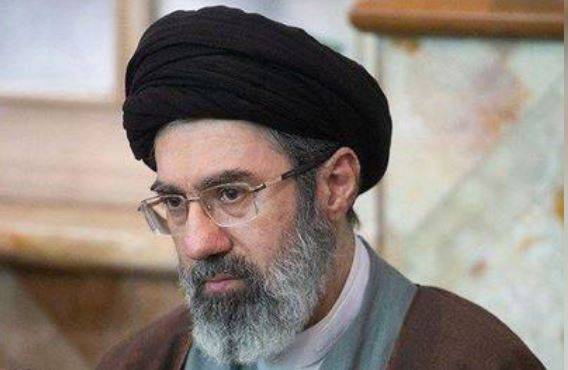
Tehran / Tel Aviv (Web Desk): Israeli media has published a high-profile and controversial report claiming that Mojtaba Khamenei has instructed Iran’s leadership to explore the possibility of negotiations with the United States, potentially paving the way for a new diplomatic agreement.
If true, this move could mark a significant shift aimed at reducing escalating tensions across the region.
According to the report, the directive comes at a time of heightened friction between Iran, the United States, and Israel.
The situation has been further complicated by security concerns surrounding the strategically vital Strait of Hormuz, a key global oil transit route that has remained under close watch due to ongoing geopolitical risks.
The report suggests that Mojtaba Khamenei has advised Tehran to adopt a more “pragmatic and realistic” diplomatic strategy in response to increasing international pressure, economic challenges, and the risk of further military escalation.
This approach could include both direct and indirect channels of communication with Washington, possibly through intermediaries or backdoor diplomacy.
Sources cited in the report indicate that Iran’s internal political landscape is currently divided into two major camps.
The hardline faction strongly opposes any engagement with the United States, viewing negotiations as a concession that could weaken Iran’s strategic position.
In contrast, the diplomatic faction supports dialogue, arguing that negotiations are necessary to stabilize the economy, ease sanctions, and prevent the country from being drawn into a larger conflict.
Experts believe that the reported guidance from the leadership could strengthen the position of those advocating diplomacy, potentially shifting the internal balance of power in favor of negotiations.
This could also signal a recalibration of Iran’s foreign policy priorities after years of confrontation and resistance-based strategy.
Despite the significance of these claims, Iranian authorities have not issued any official confirmation or denial. The absence of a formal response has left room for speculation, while diplomatic observers caution that such reports should be treated carefully until verified.
Analysts note that if these developments are confirmed, they could represent a historic turning point in Tehran’s decades-long approach to relations with the United States, opening the door to renewed dialogue and possibly reshaping the geopolitical dynamics of the Middle East.
Neo News | Copyright © 2026