Fri, September 18, 2026

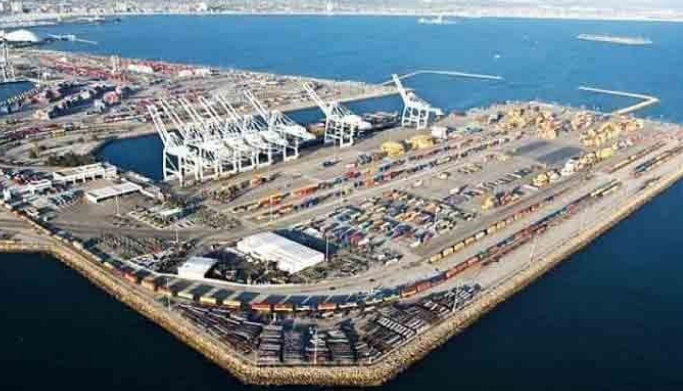
Washington (Web Desk): The United States (US) has announced to withdraw the sanctions waiver it had extended to India in 2018 for its work at Iran’s Chabahar Port, a move that could disrupt New Delhi’s involvement in the strategic project, according to media reports on Thursday.
This decision, set to take effect on September 29, 2025, is part of Washington’s broader “maximum pressure” drive against Tehran.
The waiver had been granted under the Iran Freedom and Counter-Proliferation Act (IFCA), giving India and some other nations leeway to continue development at Chabahar without the threat of penalties. For India, the port is a vital link, as it enables trade with Afghanistan and Central Asia while sidestepping Pakistan.
In a statement issued on September 16, the State Department explained the decision was “consistent with President Trump’s maximum pressure policy to isolate the Iranian regime.” It further warned, “Once the revocation is effective, persons who operate the Chabahar Port or engage in other activities described in IFCA may expose themselves to sanctions under IFCA.”
The Department also emphasized that the action fits into Washington’s larger campaign to dismantle “illicit financial networks that sustain the Iranian regime and its military activities.”
For India, the announcement is a setback. On May 13, 2024, New Delhi had entered its first long-term overseas port deal — a 10-year contract with Iran’s Port and Maritime Organisation to operate Chabahar. As part of this arrangement, Indian Ports Global Limited pledged nearly $120 million and committed to raising an additional $250 million in credit for related infrastructure.
Chabahar, however, is more than just a commercial venture for India. New Delhi first floated the idea of its development back in 2003, viewing it as a corridor to Afghanistan and Central Asia free of Pakistan’s transit routes, while also forming a critical part of the International North-South Transport Corridor that links India with Russia and Europe. The port has already been used to deliver wheat and essential relief goods to Afghanistan.
When President Trump reimposed sanctions on Iran in 2018, Chabahar was one of the few projects that secured a waiver, given its importance for Afghanistan’s connectivity. Both the port and its associated railway were exempted from penalties at the time.
With this exemption now revoked, India is left to find ways to safeguard its investment and shield its companies engaged in the project from sanctions risk.
The US move also comes at a diplomatically sensitive juncture, as India tries to maintain balance between its ties with Washington and Tehran, while simultaneously managing relations with Israel and Gulf partners.
From a strategic standpoint, Chabahar provides New Delhi with an edge in countering China’s growing footprint in the Arabian Sea. The Iranian facility lies only about 140 kilometers from Pakistan’s Gwadar Port, developed and managed by Beijing. Losing operational space here could weaken India’s position in the region.
Neo News | Copyright © 2026