Fri, September 18, 2026

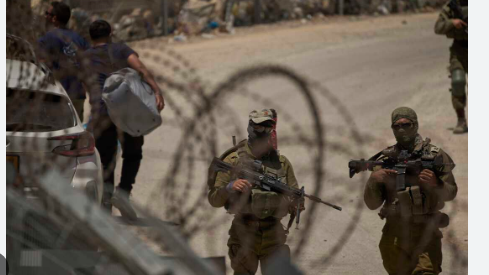
Damascus/ Jerusalem (Web Desk): After several days of intense fighting that claimed over 300 lives in Syria’s Sweida province, Israel and Syria have reached a ceasefire agreement, according to the U.S. ambassador to Turkey, Tom Barrack. The truce, also supported by Turkey, Jordan, and neighboring states, follows escalating clashes between Druze factions and Bedouin groups in the southern region, home to a significant Druze population.
Tensions soared earlier in the week when Israel carried out a series of airstrikes targeting Syrian government forces near Damascus and in the south, justifying the actions as measures to safeguard the Druze community. Israel, citing pressure from its own Druze citizens, accused the Syrian regime of enabling extremist elements and warned it would not tolerate threats against the minority. Despite its firm stance, Israel has now allowed limited Syrian internal security forces into Sweida for a two-day period to help quell the unrest.
Syria’s leadership responded by announcing that a dedicated security unit would be dispatched to restore order and prevent further bloodshed. This comes after Syrian troops sent to the area earlier were accused of committing abuses against Druze civilians and were eventually forced to withdraw following Israeli strikes and the earlier ceasefire attempt.
As violence continues in parts of Sweida, concerns grow among local residents who report critical shortages of electricity, clean water, food, and communications. The area has been largely cut off, with one resident describing the conditions as unlivable. Witnesses and reporters noted ongoing gunfire in the northern and western parts of the province, raising doubts about the durability of the ceasefire.
U.S. officials had previously played a key role in negotiating a short-lived truce and have publicly urged all factions—Druze, Bedouins, Sunnis, and other minorities—to lay down their arms and participate in rebuilding a cohesive national identity. Syrian interim leader Ahmed al-Sharaa, who has recently attempted to improve ties with the U.S., accused Israel of exploiting the situation to destabilize the country, while pledging protection for the Druze population.
The humanitarian toll has been steep. Syria’s emergency ministry reported over 500 people wounded and hundreds of families displaced. The Syrian Network for Human Rights confirmed at least 321 fatalities, including children, women, and healthcare workers, some of whom were victims of field executions carried out by various groups.
A convoy of Syrian interior ministry units was spotted halted in neighboring Daraa province, awaiting final orders to move into Sweida. Meanwhile, Bedouin fighters continued to pour into the region, fueling local fears that violence may reignite despite the truce.
The United Nations (UN) has called for unrestricted humanitarian access to the affected areas and condemned the credible reports of kidnappings and extrajudicial killings, including an incident where armed men allegedly opened fire on a family gathering and executed six men nearby.
While the ceasefire signals a tentative pause in the fighting, the fragile nature of the agreement and the continued presence of armed groups cast uncertainty over whether the region can avoid further bloodshed.
Neo News | Copyright © 2026