Thu, September 17, 2026

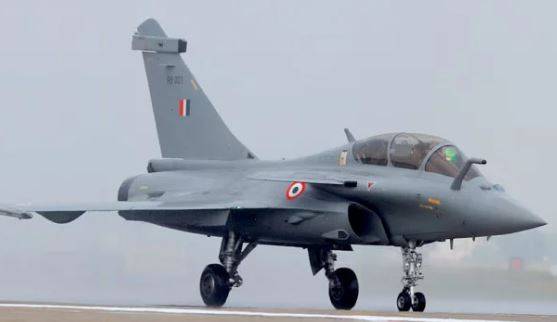
Islamabad/New Delhi (Web Desk): In the early hours of May 7, the Pakistan Air Force (PAF) detected multiple Indian fighter jets crossing the border, triggering one of the largest aerial battles in decades involving over 100 aircraft from both sides. Air Chief Marshal Zaheer Sidhu, who had been closely monitoring the situation, immediately ordered the deployment of China-made J-10C jets to intercept the Indian planes.
According to a report by Reuters, Pakistani J-10C jets successfully shot down at least one Indian Rafale fighter jet using PL-15 missiles fired from a distance of approximately 200 kilometers. This surprising achievement was attributed to a significant intelligence failure on the Indian side, as Indian pilots underestimated the range and capability of Pakistan’s PL-15 missiles.
The Pakistani military conducted a highly coordinated “multi-domain operation,” integrating air, land, and space sensors through an advanced network called Data Link 17. This system allowed Pakistani jets to receive real-time surveillance data while keeping their radars turned off to avoid detection by Indian forces.
Experts have described the battle as the largest aerial engagement in recent decades, emphasizing that superior situational awareness and effective use of technology gave Pakistan the edge. Pakistani officials also claim to have launched electronic warfare tactics to disrupt Indian communications, though Indian authorities have disputed some of these claims.
The confrontation highlights a new era in aerial combat, where information sharing and advanced missile technology play a crucial role in determining outcomes. This encounter has raised questions about the effectiveness of Western-made fighter jets against newer, Chinese-made alternatives.
Neo News | Copyright © 2026