Fri, September 18, 2026

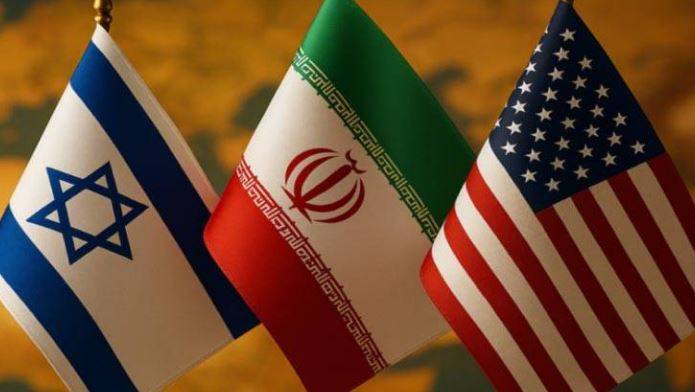
Tel Aviv (Web Desk): Israel has raised its security alert level amid growing concerns that the United States may launch an attack on Iran in the coming days.
According to US media reports, there is a significant possibility of an American military strike on Iran, with the potential for it to be more extensive than the joint U.S.-Israel airstrikes conducted in June. If approved by U.S. President Joe Biden, the strike could involve a combination of aerial bombardments and other military operations targeting key Iranian sites.
In response to these potential threats, Israel's defense and emergency services have been put on high alert. The Israeli government has issued specific instructions to defense agencies to be prepared for any eventuality, including an escalation in tensions or retaliation by Iran. Citizens in Tel Aviv have been advised to stay close to designated shelters or bunkers as a precautionary measure.
Israeli authorities have also warned the public that Iran may target Israel with missile strikes in retaliation for any attack on Iranian soil. This caution follows rising fears that the situation could escalate into direct military conflict between the two nations, with Israel potentially being caught in the crossfire.
The heightened alert follows several emergency security meetings held by Israeli Prime Minister Benjamin Netanyahu. The meetings, attended by top defense officials, were focused on coordinating Israel’s military response and assessing the potential risks of a conflict with Iran. Israeli authorities have assured the public that the country is fully prepared to defend itself against any potential threat, including missile attacks or other forms of aggression from Iran.
In addition to military preparations, Israel is also working to strengthen its defense systems, including its Iron Dome missile defense system, which has been instrumental in intercepting incoming missiles in past conflicts. The government has urged civilians to follow all safety guidelines and remain vigilant as the situation develops.
The looming possibility of an American strike on Iran comes at a time of heightened tensions in the Middle East. Relations between the US and Iran have been fraught for years, particularly over issues like Iran’s nuclear program and its involvement in regional conflicts. The Trump administration's withdrawal from the Iran nuclear deal in 2018 and the subsequent sanctions on Iran escalated tensions further.
Under the Biden administration, the US has attempted to revive talks with Iran, but the diplomatic efforts have been fraught with setbacks and disagreements, especially concerning Iran’s nuclear ambitions. Iran has consistently maintained that its nuclear program is for peaceful purposes, but the international community remains skeptical, citing concerns over Iran's potential to develop nuclear weapons. In response to these concerns, the US and Israel have both made it clear that they would not rule out military action to prevent Iran from acquiring nuclear weapons.
In light of the threat, Israel has reiterated that it is prepared for any scenario, whether it be a direct confrontation with Iran or an Iranian retaliation.
The Israeli military is on standby, ready to respond to any missile attacks or airstrikes. The government has also issued directives to ensure that key infrastructures, such as power plants, airports, and military bases, are protected from potential Iranian retaliation.
Despite the uncertainty surrounding the situation, Israeli officials have expressed confidence in their military capabilities and have emphasized that the country is equipped to handle any escalation in the conflict. The ongoing readiness measures underscore the gravity of the situation and Israel’s determination to safeguard its citizens and interests.
The consequences of a U.S. attack on Iran, especially one involving Israel, could have far-reaching implications for the entire Middle East region. Countries like Saudi Arabia, Iraq, and Syria, which have varying degrees of alignment or opposition with Iran, could be drawn into the conflict, further destabilizing the region.
The risk of widespread military confrontations, cyberattacks, and missile strikes could also affect global oil markets, given the strategic importance of the region’s energy resources.
As Israel prepares for a potential military escalation, both Israel and the US. face critical decisions that could shape the future of the Middle East. The high alert in Israel reflects the growing concern over Iranian retaliation and the possibility of a larger conflict.
While Israel remains confident in its ability to defend itself, the situation remains volatile, and the international community is closely watching how events unfold in the coming days. The potential for a major military confrontation could alter the geopolitical landscape of the Middle East for years to come.
Neo News | Copyright © 2026