Thu, September 17, 2026

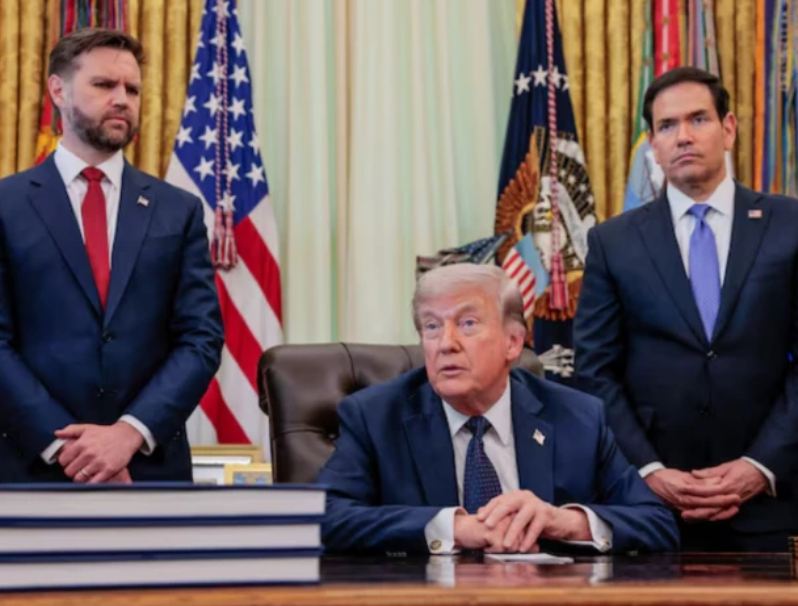
Washington (Web Desk): The Trump administration has rejected suggestions of internal divisions over its Iran policy after Vice President JD Vance and Secretary of State Marco Rubio appeared to take different positions on Israel's role in the region during the past week.
The contrasting remarks came as the administration worked to present a united front following the preliminary US-Iran agreement reached on June 17.
Speaking at the White House last week, Vice President JD Vance criticised Israeli attacks on civilian infrastructure in Beirut, saying such actions risked undermining US-led diplomatic efforts aimed at securing lasting peace in the region. He also expressed optimism about the ongoing negotiations with Tehran and suggested Gulf countries could eventually help finance Iran's reconstruction.
Secretary of State Marco Rubio, however, defended Israel's military operations in Lebanon during his visit to Bahrain, the United Arab Emirates and Kuwait. He described Israel's actions as a legitimate response to attacks by Hezbollah and stressed that any agreement with Iran must fully protect the security interests of the United States and its Gulf allies.
Rubio reiterated that Washington seeks a diplomatic solution but would not support any agreement that compromises regional stability. "We want a deal, but not at any price," he said.
The White House strongly denied reports of policy differences between the two senior officials. White House spokeswoman Anna Kelly said the entire administration remains united behind President Donald Trump's strategy to ensure Iran never acquires a nuclear weapon.
State Department spokesman Tommy Pigott also rejected claims of disagreement, insisting that both Rubio and Vance are fully aligned with the president's foreign policy objectives.
Despite the administration's assurances, some political analysts believe the differing public statements reflect contrasting foreign policy approaches within the Republican Party. Vance has frequently advocated limiting US involvement in overseas conflicts, while Rubio has long supported a tougher stance on Iran and other geopolitical rivals.
Both officials are widely regarded as potential Republican presidential contenders in 2028, although they have consistently backed President Trump's major foreign policy decisions, including the current diplomatic engagement with Iran.
Neo News | Copyright © 2026