Fri, September 18, 2026

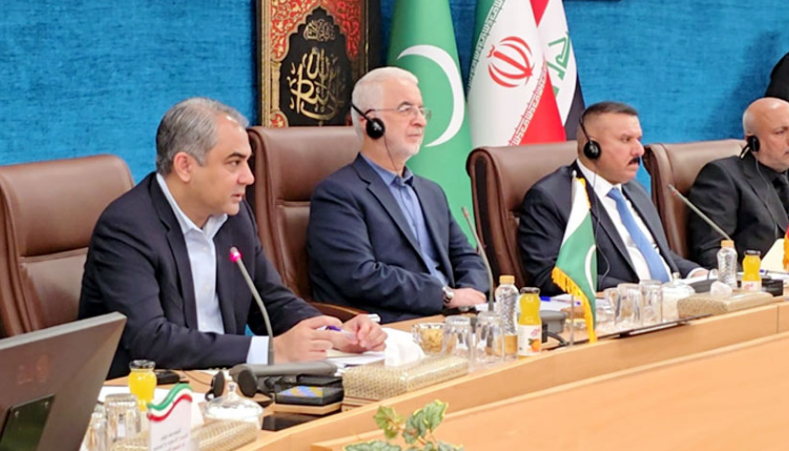
Tehran (Web Desk): In a pivotal diplomatic development, the interior ministers of Pakistan, Iran, and Iraq convened in Tehran for a high-level trilateral summit aimed at enhancing collaboration on religious pilgrimage.
The primary focus of the discussions was to improve the infrastructure, coordination, and safety measures for pilgrims traveling among the three nations, particularly during peak events like Arbaeen.
At the conclusion of the talks, all three countries agreed to adopt a series of comprehensive steps to support and facilitate pilgrimage.
A dedicated joint working group will be established to handle logistical coordination, operational planning, and cross-border collaboration.
This initiative is expected to significantly improve the travel experience and security for the millions who journey to the sacred sites in Iran and Iraq each year.
During the meeting, Pakistan’s Federal Interior Minister, Mohsin Naqvi, extended gratitude to his Iranian counterpart, Eskandar Momeni, for hosting the summit, which took place at Pakistan’s initiative. Naqvi emphasized the significance of religious pilgrimage for Pakistan and reiterated his government's commitment to ensuring the smooth and lawful movement of pilgrims.
He also announced a key policy reform set to take effect on January 1, 2026. Under the new regulation, Pakistani citizens will no longer be permitted to undertake solo pilgrimage journeys to Iraq.
The interior minister added that all travelers must be part of groups managed by officially registered organizers, who will also be held responsible for ensuring the pilgrims' timely return. Exceptions will apply only to those granted special visas by the Iraqi embassy.
The measure, according to Naqvi, is designed to curb unauthorized entries and prolonged stays, and has received full backing from both Iraq and Iran.
In addition to pilgrimage-related discussions, Naqvi expressed Pakistan’s solidarity with Iran amid ongoing regional tensions.
He commended Iran’s military leadership, particularly the role of Supreme Leader Ayatollah Ali Khamenei, and reaffirmed Pakistan’s support for Iran’s right to defend itself.
The minister condemned recent attacks against Iran and stressed Pakistan’s consistent stance in opposing such aggression.
He further praised the governments of Iran and Iraq for their effective management of large-scale religious gatherings, acknowledging their experience and administrative efficiency.
"Pakistan remains fully committed to cooperating on all matters related to religious travel and cross-border coordination," he said.
The gathering was attended by several senior officials, including Iranian Deputy Interior Minister Ali Akbar Pourjamshidian, senior advisor Nader Yar Ahmadi, Iran’s Ambassador to Pakistan Amiri Moghaddam, Pakistan’s Ambassador to Iran Muhammad Mudassir Tipu, and Pakistan’s Interior Secretary Khurram Agha, alongside high-ranking representatives from Iraq’s Ministry of Interior.
The meeting is being hailed as a meaningful stride toward regional unity and structured cooperation in managing religious tourism with a focus on security, regulation, and mutual respect.
Neo News | Copyright © 2026