Thu, September 17, 2026

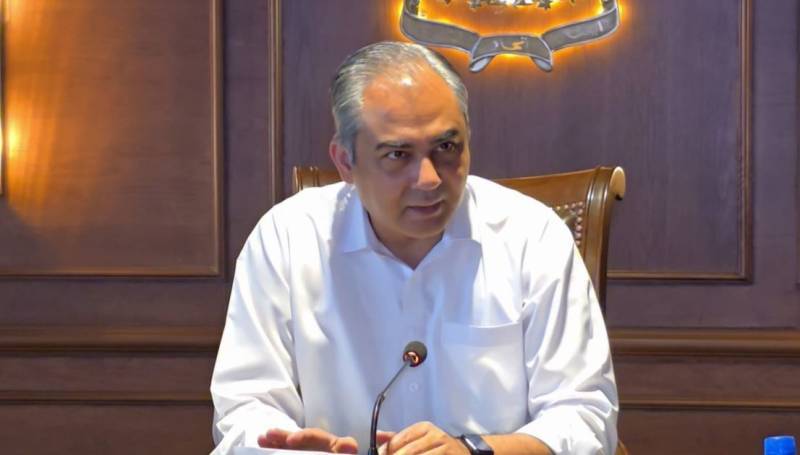
Tehran (Web Desk/Agencies): Interior Minister Mohsin Naqvi has arrived in Tehran, for the second time in a week, where he is set to hold high-level discussions with the Iranian officials as part of Pakistan’s ongoing diplomatic engagement aimed at easing regional tensions and advancing efforts for a potential US-Iran ceasefire.
The visit comes amid intensified backchannel diplomacy in which Pakistan is playing a mediating role between Washington and Tehran, according to diplomatic sources familiar with the matter.
According to sources, Naqvi will meet senior Iranian officials to discuss the evolving regional situation and explore avenues for de-escalation and possible negotiations with the United States (US).
Pakistan is currently seen as playing an important mediating role in narrowing the gap between the two countries and helping restore an environment of trust.
Diplomatic circles have described the visit as highly important and urgent in nature, particularly as it marks Naqvi’s second visit to Iran within a single week.
During his previous visit to Tehran last week, Mohsen Naqvi held extensive meetings with Iranian President Masoud Pezeshkian, along with other senior political and military leadership, and the current visit is being viewed as a continuation of those engagements.
This is also being described as the minister’s third overall visit aimed at facilitating a possible ceasefire and reducing misunderstandings between Iran and the US.
Experts on international affairs suggest that his repeated visits to Tehran within a short span of time may indicate meaningful progress in the ongoing backchannel diplomacy, with Pakistan actively working to prevent further escalation in an already volatile region.
Iran’s official news agency IRNA, which quoted diplomatic sources based in Islamabad said Interior Minister Mohsin Naqvi has reportedly visited Tehran to engage in discussions with senior Iranian leadership.
On his earlier visit in recent days, Naqvi is said to have held meetings with several high-ranking Iranian figures, including President Masoud Pezeshkian, Foreign Minister Abbas Araghchi, Parliament Speaker Mohammad Bagher Ghalibaf and Interior Minister Eskandar Momeni, as reported by IRNA.
The latest movement comes as Islamabad continues efforts aimed at facilitating dialogue between Tehran and Washington in an attempt to ease escalating tensions.
At the same time, Iran’s Islamic Revolutionary Guard Corps Islamic Revolutionary Guard Corps issued a strong warning, saying any renewed US-Israeli military action could broaden the conflict beyond the region.
The statement published on its Sepah News platform read, "If the aggression against Iran is repeated, the promised regional war will this time spread far beyond the region, and our devastating blows will crush you," The Guards said in a statement on their website Sepah News.
The warning followed comments from US President Donald Trump, who said Washington could carry out additional strikes if no durable agreement is reached within a few days. He pointed to a short window for a possible decision, while also noting that Gulf countries had urged him to delay action at the last moment.
He said, "I'm saying two or three days, maybe Friday, Saturday, Sunday, something, maybe early next week, a limited period of time," he said.
The broader situation has seen both sides exchanging threats and diplomatic proposals aimed at ending the conflict, which is reported to have begun on February 28, with a ceasefire holding since April 8.
In its messaging, the Revolutionary Guards further stated, "The American-Zionist enemy... must know that despite the offensive carried out against us using the full capabilities of the world's two most expensive armies, we have not deployed the full power of the Islamic revolution," The Guards said.
Reports also claimed that the conflict resulted in the deaths of several senior Iranian figures, including Supreme Leader Ayatollah Ali Khamenei, which subsequently triggered retaliatory missile and drone strikes across the region.
On Tuesday, Trump reportedly set a deadline of a few days for a possible resumption of military action if no agreement is reached, after suggesting earlier that Gulf leaders had requested a pause at a critical moment.
Iran’s Foreign Minister Abbas Araghchi also commented on X that "a "return to war will feature many more surprises"."
Neo News | Copyright © 2026