Thu, September 17, 2026

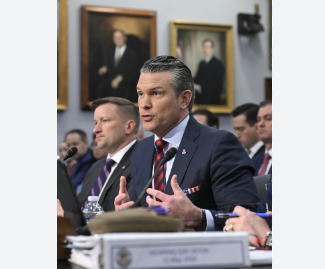
Washington (Web Desk): The United States (US) has said that the cost of its ongoing war with Iran has climbed to almost $29 billion, as members of Congress question defence expenditure, military preparedness, and the long-term strategic approach to the conflict.
During a budget hearing on Tuesday at Capitol Hill, the Pentagon revealed that the projected cost had risen by around $4 billion in just two weeks. Officials attributed the increase to higher repair requirements, replacement of damaged equipment, and expanding operational expenses tied to ongoing military activity.
Finance chief Jules Hurst III informed lawmakers that the earlier estimate of $25 billion had been updated following continuous evaluations conducted by joint staff and comptroller teams.
“We think it’s closer to $29 billion,” Hurst said, noting that the revised calculation reflects updated equipment losses and wider operational costs linked to the conflict.
US Defense Secretary Pete Hegseth also testified before lawmakers, stating that any further funding requests connected to the war would be presented separately from the main defence budget, although he did not specify when such requests would be submitted.
The session took place amid heightened scrutiny of how the administration is managing the conflict with Iran and its consequences for US military readiness, particularly the availability of key weapons systems. Democratic lawmakers raised concerns about limited transparency regarding the war’s objectives as well as its escalating financial impact.
Questions have also intensified over the reduction in US munitions stockpiles following months of sustained air and missile operations across the Middle East. Despite these concerns, Hegseth rejected claims of shortages, describing them as “foolishly overstated” and insisting that supply levels remain adequate. “We know exactly what we have. We have plenty of what we need,” he said.
Meanwhile, Senator Mark Kelly cautioned that inventories of systems such as Tomahawk missiles and Patriot interceptors have been significantly depleted, warning that rebuilding these reserves could take years and may affect the country’s readiness for future conflicts.
This appearance marked Hegseth’s first testimony before Congress since the White House informed lawmakers that hostilities involving the US and Israel against Iran officially concluded in February, although regional tensions continue to persist.
Lawmakers from both parties are still questioning whether the military action received proper authorisation and what strategic outcomes have actually been achieved.
Neo News | Copyright © 2026