Fri, September 18, 2026

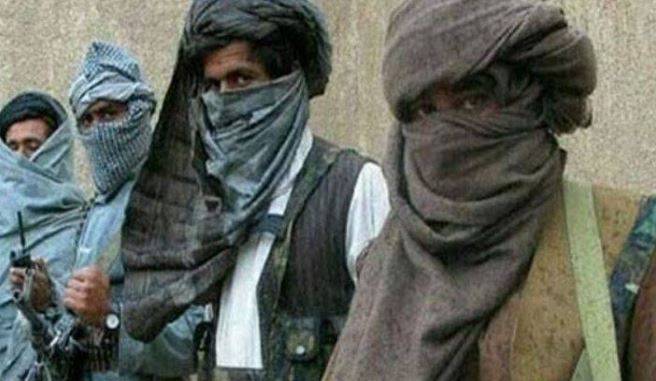
New York/Islamabad (Web Desk): The United Nations Security Council (UNSC) monitoring team has released a striking report on the situation in Afghanistan, refuting claims by the Kabul administration that Afghan territory is not being used against other countries.
The report warns that the presence of terrorist groups in Afghanistan poses a serious threat to regional and global security.
The report explicitly rejects the Taliban’s assertion that “no terrorist groups operate in Afghanistan,” noting that credible evidence shows the banned Tehreek-e-Taliban Pakistan (TTP) has gained far more freedom and operational capacity than before.
According to the report, Al-Qaeda is actively providing TTP with training and strategic guidance. Verified reports indicate that Al-Qaeda leadership for the South Asia region is present in Kabul, potentially planning attacks outside Afghanistan.
Additionally, ISIS-Khorasan remains active in northern Afghanistan and along the Pakistan-Afghanistan border, maintaining the capability to carry out major operations.
The UNSC report corroborates Pakistan’s security concerns, highlighting a sharp increase in cross-border attacks originating from Afghan territory. Abandoned advanced U.S. and NATO weapon stockpiles in Afghanistan are now in the hands of terrorist groups, increasing the lethality of attacks. The TTP has reportedly begun using night-vision equipment, advanced weaponry, and drones in operations against Pakistan.
The UN report is expected to increase international pressure on Afghanistan to prevent its territory from becoming a hub for terrorism. Pakistan has long highlighted these risks to the global community, and the UNSC’s findings now officially confirm these concerns.
This report marks a significant international acknowledgment of Pakistan’s security challenges stemming from Afghanistan and underscores the urgent need for regional cooperation to counter terrorism.
Neo News | Copyright © 2026