Fri, September 18, 2026

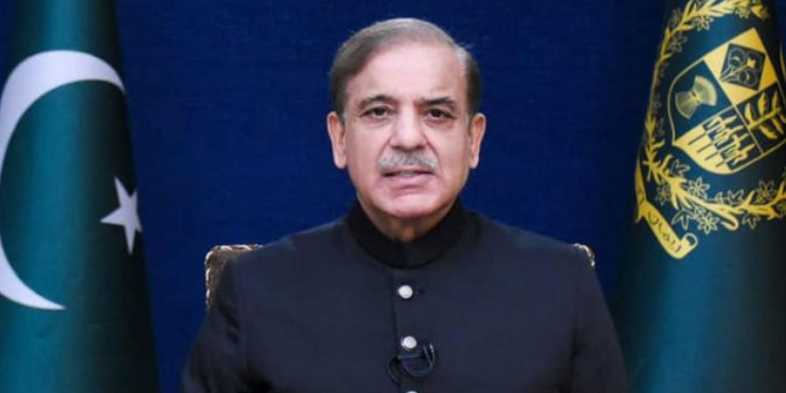
Islamabad (Web Desk): Prime Minister Shehbaz Sharif expressed Pakistan’s warm welcome of the recent peace accord reached between the Republic of Azerbaijan and the Republic of Armenia during a summit held at the White House, under the facilitation of US President Donald J. Trump.
Terming the development as a significant milestone, the prime minister lauded the agreement as a momentous step towards lasting peace and stability in the South Caucasus, a region long plagued by hostilities and humanitarian challenges.
“This landmark development marks the dawn of a new era of peace, stability, and cooperation in the South Caucasus, a region that has endured decades of conflict and human suffering. We congratulate President Ilham Aliyev and the people of Azerbaijan on this historic agreement, that reflects wisdom, foresight and sagacity in charting a course for a peaceful future for their region,” he shared in a message posted on his official X (formerly Twitter) account.
Sharif reiterated Pakistan’s unwavering support for Azerbaijan, emphasizing the close bond shared by the two nations and acknowledging the importance of the occasion for the Azerbaijani people. “Pakistan had always stood by the brotherly nation of Azerbaijan, and stood with them at this proud moment of their history,” he noted.
He also recognized the role played by the United States in fostering the agreement, attributing the diplomatic breakthrough to its mediation efforts.
“We also appreciate the facilitation role of the United States, under President Donald Trump, in bringing the two sides together and securing an agreement that opens new avenues for trade, connectivity, and regional integration. It is our hope that this spirit of dialogue will serve as an example for other regions facing protracted conflicts,” he added.
The prime minister’s remarks reflect Pakistan’s commitment to regional peace and cooperation, while also highlighting the broader potential for reconciliation in conflict-prone regions through dialogue and international engagement.
Neo News | Copyright © 2026