Thu, September 17, 2026

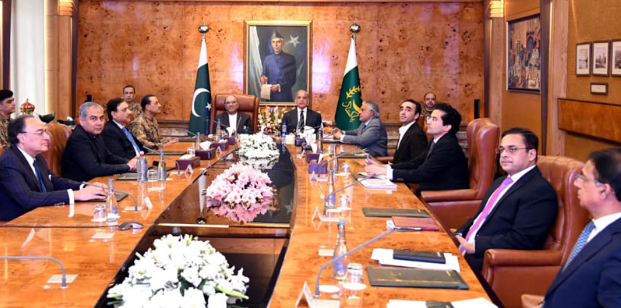
Islamabad (Web Desk): President Asif Ali Zardari on Thursday led a high-level consultative session at Aiwan-e-Sadr to evaluate the country’s economic and energy conditions in light of constrained oil supplies, surging fuel prices and ongoing regional security developments.
According to a President House press release, Chief of the Army Staff (COAS) and Chief of Defence Forces (CDF) Field Marshal Syed Asim Munir also attended the meeting.
Those present also included Deputy Prime Minister and Foreign Minister Ishaq Dar, Pakistan Peoples Party (PPP) Chairman and former foreign minister Bilawal Bhutto Zardari, Interior Minister Mohsin Naqvi, Finance Minister Muhammad Aurangzeb, Petroleum Minister Ali Pervaiz Malik, Economic Affairs Minister Ahad Khan Cheema, as well as the finance secretary.
The participants examined the consequences of volatility in global oil and gas markets for Pakistan’s economy, paying particular attention to controlling inflation and safeguarding energy availability.
During the briefing, the finance and petroleum ministers outlined ongoing efforts to steady fuel prices, cushion the wider economy from rising energy costs and implement spending cuts through austerity policies.
The evolving regional environment was also discussed, with focus on its possible effects on Pakistan’s security, economic prospects and food supply.
The forum stressed the importance of a unified national strategy, noting that all policy actions should aim to maintain stability while protecting public welfare.
The meeting further highlighted the need for harmony at the national level and closer coordination among state institutions in dealing with emerging challenges.
It was agreed that economic policies, energy planning, food security measures and security priorities must be aligned to effectively manage the situation.
Participants also called for greater public awareness to curb fuel usage, encourage reliance on mass transit systems and promote ride-sharing practices to reduce overall consumption.
Neo News | Copyright © 2026