Thu, September 17, 2026

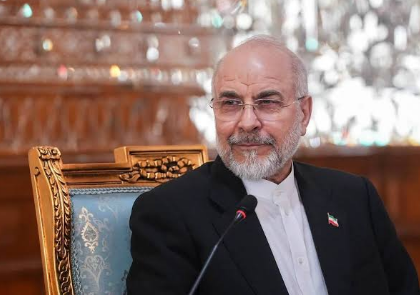
Tehran (Web Desk/Agencies): Iranian Parliament Speaker Mohammad Bagher Qalibaf said on Saturday that Tehran has received a large number of communications from neighboring states expressing interest in developing fresh security frameworks and expanding economic cooperation across the region, despite Washington’s warnings of further sanctions against Iran.
“We’ve received numerous messages from neighboring countries about shaping new security arrangements and economic cooperation in the region,” Qalibaf said in a post on X, the US-based social media platform.
He also criticized Washington, claiming that the United States had endangered the security of its own allies by using pressure and intimidation while placing Israel’s interests ahead of theirs.
Qalibaf said, “the security of every single one of its allies at such risk through bullying and pure disregard for their interests for the sake of Israel that they briefly saw their entire existence on the line.”
“A homegrown, independent order is what will actually deliver peace and security,” he added.
1/2 We’ve received numerous messages from neighboring countries about shaping new security arrangements and economic cooperation in the region.
— محمدباقر قالیباف | MB Ghalibaf (@mb_ghalibaf) August 22, 2026
The United States put the security of every single one of its allies at such risk…
The comments came after US President Donald Trump said on Wednesday that Washington would pursue what he described as “the most crushing economic operation ever taken against any country.”
He characterized the renewed pressure campaign on Tehran as “Economic Warfare and Isolation on an unprecedented scale.”
Iran and the United States reached a memorandum of understanding in June following mediation efforts by Pakistan and Qatar. The arrangement brought an end to hostilities and established a 60-day period for both sides to work toward a comprehensive agreement through negotiations.
However, the diplomatic process has subsequently hit a standstill, with Tehran and Washington remaining divided over how the memorandum should be implemented. Differences have also emerged over rules and arrangements concerning navigation in the Strait of Hormuz, one of the world’s most important waterways for the transportation of oil and gas.
Neo News | Copyright © 2026