Thu, September 17, 2026

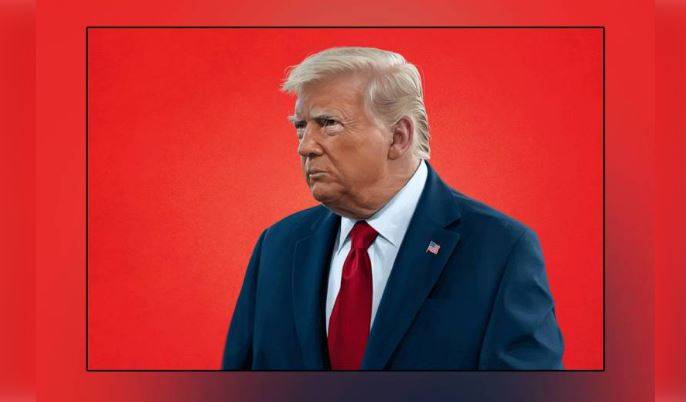
Washington (Web Desk): US President Donald Trump has announced a significant increase in global tariffs, raising them from 10 percent to 15 percent for a number of countries.
In a statement shared on social media, Trump said the decision targets nations that, according to him, have long taken advantage of the United States through unfair trade practices.
He emphasized that the US government will legally define and implement new tariffs over the coming months to ensure compliance with international and domestic trade laws.
This latest move follows an earlier executive order in which Trump had imposed a 10 percent tariff on imported goods from all countries.
The original order was scheduled to remain in effect for 150 days, but certain products were exempted, including minerals, fertilizers, metals, energy equipment, agricultural commodities, medicines, and raw materials for pharmaceuticals.
The new 15 percent tariff increase will similarly not apply to goods traded under the United States–Mexico–Canada Agreement (USMCA), allowing continued trade with North American partners without additional duties.
The announcement comes after the US Supreme Court previously ruled that some of Trump’s earlier tariff measures were illegal, highlighting the legal complexities surrounding his trade policies.
Despite this, the administration has continued to pursue increases in tariffs within legally permissible frameworks, signaling a firm stance on protecting American industries and addressing perceived long-standing trade imbalances.
Economists and trade analysts warn that the higher tariffs could have far-reaching consequences for global trade, potentially increasing import costs, affecting supply chains, and raising prices for consumers.
Businesses that rely on imported goods may face higher expenses, which could ultimately be passed on to the end consumer. The move also underscores the Trump administration’s continued focus on reshaping international trade in favor of American economic interests, a central component of its broader economic strategy.
Neo News | Copyright © 2026