Thu, September 17, 2026

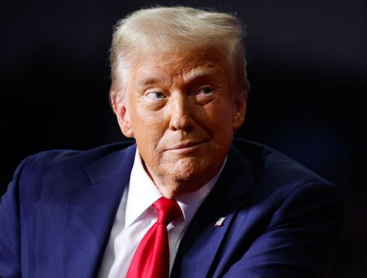
Washington (Web Desk): US President Donald Trump has stated that Pakistan played an important supporting role in helping the United States (US) reach a peace understanding with Iran, which has recently come into effect after weeks of discreet and carefully managed negotiations involving multiple parties.
In an interview with American media outlet Axios, Trump praised Pakistan’s leadership, arguing that their close familiarity with Iranian officials proved valuable in navigating a highly sensitive diplomatic process that required patience and coordination from both sides.
“But they really helped us with this deal. They knew the Iranians. They knew the people. They were good,” he said while acknowledging Pakistan’s contribution.
Responding to a question about influential global figures, Trump also referred to several international leaders, including Chinese President Xi Jinping, whom he described as a strong and capable leader in the global arena.
Commenting on Pakistan’s leadership, he said, “In Pakistan, you have Field Marshal, who is great, and you have the prime minister, and they just get along great,” referring to Field Marshal Asim Munir and Prime Minister Shehbaz Sharif.
“The military guy,” Trump added, “totally respects the prime minister. It’s a beautiful thing to see.”
The agreement has reportedly been titled the “Islamabad Memorandum of Understanding,” reflecting Pakistan’s role in facilitating dialogue through several stages of negotiations that began in April.
Pakistan is also said to have hosted the initial direct round of talks between Washington and Tehran on April 11, which marked the first face-to-face diplomatic contact between the two sides since the 1979 Islamic Revolution disrupted relations.
Tensions originally escalated on February 28 when the United States and Israel carried out coordinated strikes against Iran, prompting Tehran to respond with retaliatory actions targeting energy-rich Gulf regions, which it accused of supporting the attacks.
The escalation severely disrupted global energy flows, particularly oil and gas movement through the Strait of Hormuz, which remained affected for several months.
Under the reported 14-point arrangement, the US has lifted its naval blockade on Iranian ports, while Iran has agreed to restore maritime passage through the key shipping route.
Both sides are now expected to continue negotiations over the next 60 days, focusing on Iran’s nuclear stockpile and related verification concerns.
However, ongoing Israeli military operations in Lebanon continue to be seen as a major obstacle that could complicate the implementation and stability of the next phase of talks.
Neo News | Copyright © 2026