Thu, September 17, 2026

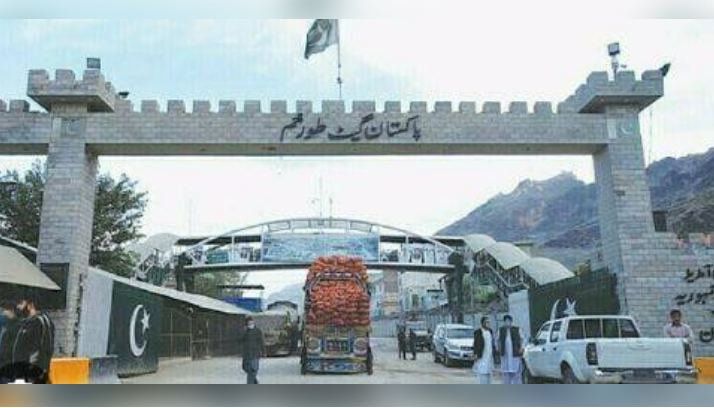
Islamabad (Web Desk): After a lengthy 25-day closure, the Torkham border crossing, which serves as a critical passage for both travel and trade between Pakistan and Afghanistan, was reopened following successful talks between the two countries’ authorities.
The closure began in February when tensions arose between Pakistani and Afghan security forces over construction projects along the border.
Matters escalated earlier this month when a firefight between the two sides left eight people injured, including six soldiers. Artillery shells struck a number of structures, including houses, a mosque, and clearing agent offices, while cross-border fire persisted for three days.
In response, tribal elders from both countries engaged in negotiations to resolve the impasse.
As a result of the closure, around 5,000 commercial trucks were left stranded on both sides of the border, causing traders significant financial losses amounting to millions of dollars.
Ziaul Haq Sarhadi, the vice president of the Pak-Afghan Joint Chamber of Commerce and Industry, stated the gravity of the situation.
"Around 5,000 commercial trucks had been stuck on both sides, causing millions of dollars worth of losses to traders on both sides," he said.
On Wednesday, the decision to reopen the border was made during a flag meeting held on the Afghan side of Torkham.
Syed Jawad Hussain Kazmi, the head of the Pakistani jirga, confirmed the outcome, elaborating that, "the border has now opened for cargo vehicles and will open for pedestrians and patients on Friday after the repair of Pakistani customs infrastructure damaged due to firing from the Afghan side."
Furthermore, both sides reached an agreement for an immediate ceasefire, effective until April 15, and committed to suspending the construction of the controversial border check posts.
"Pakistani members of the jirga had pressed for a halt to the controversial constructions on the Afghan side," Kazmi added.
Afghan representatives, including Nangrahar Deputy Governor Molvi Azizullah and Commissioner Molvi Hikmatullah, participated in the flag meeting, confirming the reopening of the crossing.
Afghan news agency Bakhtar also confirmed the resumption of vehicle and patient movement, noting that pedestrian traffic would be allowed to resume on Friday.
Earlier on March 17, a joint jirga of elders and traders had helped broker a deal that led to the border reopening, with a ceasefire in place and a halt to the construction of the disputed check posts.
Pakistan’s Foreign Ministry spokesman, Shafqat Ali Khan, had previously raised concerns on March 13, stating that "the Afghan side had carried out illegal and unilateral construction activity within the Pakistani territory at two points along the Pakistan border."
Meanwhile, Afghan Taliban officials insisted that the check posts were being built solely on their side of the border. They claimed that Pakistan was constructing towers.
Pakistani officials had clarified to the Afghan side that the towers were being built in the border terminal to facilitate traders and patients.
Despite the previous failure of two meetings between Pakistani and Afghan officials and a prior jirga gathering, the agreement represents a notable development in resolving tensions and restoring crucial trade at the border crossing.
However, issue of terrorism remains a significant concern for Pakistan, particularly with regard to the use of Afghan soil by groups like the Tehreek-e-Taliban Pakistan (TTP) to carry out attacks within Pakistan’s borders. Islamabad has consistently urged Afghanistan to take stronger measures to prevent such groups from operating within its territory.
This concern has been reinforced by a recent report to the United Nations Security Council (UNSC) from the Analytical Support and Sanctions Monitoring Team.
The report has highlighted a troubling link between the Afghan government and the TTP, detailing that Afghanistan has allegedly been providing crucial support to the group, including logistics, operational assistance, and financial backing. This connection has further escalated Pakistan’s fears, as it could potentially fuel terrorism and destabilize the region even more.
Neo News | Copyright © 2026