Fri, September 18, 2026

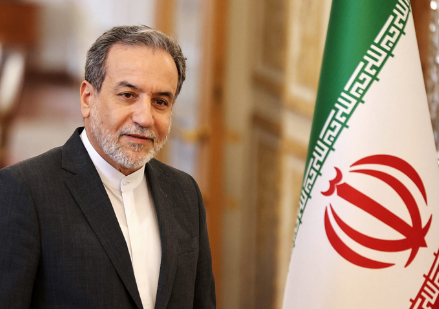
Tehran (Web Desk): Iran’s Foreign Minister Abbas Araghchi on Monday extended his heartfelt thanks to Pakistan and its people for their unwavering support amid mounting tensions with the United States (US) and Israel.
Posting in Urdu on social media platform X, Araghchi stated: “On this blessed and spiritual day, I sincerely thank the government and people of Pakistan for their clear and wholehearted solidarity with the people and government of the Islamic Republic of Iran in the face of aggression from America and the Zionist regime.”
ان بابرکت، الٰہی اور روحانی دنوں اور گھڑیوں میں،
— Seyed Abbas Araghchi (@araghchi) March 16, 2026
میں حکومت اور عوامِ پاکستان کا تہہِ دل سے شکریہ ادا کرتا ہوں کہ انہوں نے امریکہ اور صہیونی رجیم کی جارحیت کے مقابلے میں عوام اور حکومتِ اسلامی جمہوریہ ایران کے ساتھ اپنی یکجہتی اور حمایت کا بھرپور اظہار کیا۔
He reaffirmed Iran’s determination to protect its sovereignty and territorial integrity, placing full trust in Allah Almighty, and urged resilience and steadfastness in confronting external pressures.
اسلامی جمہوریہ ایران اللہ تعالیٰ پر کامل توکل کے ساتھ اپنی حاکمیت اور علاقائی سالمیت کے دفاع کے لیے ثابت قدمی اور استقامت کے ساتھ کھڑا ہے۔
— Seyed Abbas Araghchi (@araghchi) March 16, 2026
The crisis began on February 28, 2026, when the United States and Israel launched synchronized strikes on Iranian military installations, citing threats to regional security. Iran responded promptly with drone and missile attacks targeting US forces and allied positions throughout the Gulf, escalating the confrontation.
The conflict has severely affected major shipping channels, particularly the strategic Strait of Hormuz, a vital route for global oil traffic, raising fears of a prolonged regional crisis with significant economic consequences.
Global markets have felt the impact: Brent crude prices have surged above $104 per barrel, and air traffic in the Middle East has been disrupted, particularly at major hubs such as Dubai, Doha, and Abu Dhabi.
International authorities and governments have cautioned that the ongoing hostilities could have cascading effects on energy supplies, aviation, and overall regional stability.
Despite the growing pressures, Iran has maintained its readiness to defend itself for as long as necessary, posing a direct challenge to US influence and testing alliances across the Gulf.
Pakistan has pursued a measured but supportive approach, urging restraint and dialogue while avoiding direct involvement in military operations.
Islamabad has highlighted its longstanding historical, cultural, and economic links with Tehran, offering political and moral support while appealing to regional powers to ease tensions and safeguard trade and energy routes through the Gulf.
Neo News | Copyright © 2026