Thu, September 17, 2026

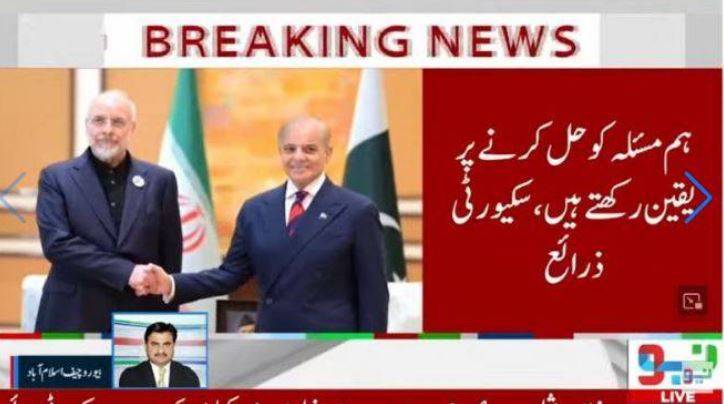
Islamabad (Web Desk): Field Marshal Asim Munir had a single objective in the recent US-Iran understanding — achieving peace and stability in the region — security sources said on Tuesday, stressing that Pakistan is not interested in “headline diplomacy.”
According to top security officials, Islamabad has been playing a key mediating role between Washington and Tehran since tensions escalated in the Middle East, and has handled the issue as a highly complex diplomatic challenge while fulfilling all responsibilities expected of a mediator.
Sources claimed that Pakistan’s discreet diplomatic efforts contributed to what they described as a “historic development,” after former US President Donald Trump announced that Washington had signed a memorandum of understanding with Iran aimed at reducing tensions in the region.
Security officials said Pakistan has deliberately avoided public diplomacy, preferring backchannel engagement instead of media attention. “We are not interested in headline diplomacy,” officials said, adding that Pakistan’s role was gradually being acknowledged internationally.
They noted that Field Marshal Munir’s sole focus remained regional peace and stability, while warning that certain actors were still attempting to disrupt emerging understandings.
Officials also pointed out that multiple regional countries, including Qatar, Saudi Arabia, Türkiye, Egypt, and the United Arab Emirates, had also contributed to de-escalation efforts.
According to security sources, Pakistan’s balanced relations with Iran, Saudi Arabia, and the United States enabled it to maintain communication with all sides and facilitate dialogue where possible.
On regional security matters, officials said Pakistan seeks peaceful relations with Afghanistan and reiterated concerns over militancy, claiming that significant numbers of militants had been eliminated in ongoing operations on both sides of the border.
Regarding Azad Jammu and Kashmir, security officials said the government had urged the reopening of businesses, but alleged that elements of the banned Jammu Kashmir Joint Awami Action Committee (JAAC) had obstructed normal activity and pressured shopkeepers.
They warned that the group was becoming increasingly exposed and said the matter would be addressed under constitutional and legal frameworks.
On defence spending, officials said Rs300 billion had been allocated in the latest budget, reflecting a 17 percent increase, with most of the funds directed towards mandatory expenditures rather than development.
They further said terrorism remains a major internal challenge, while modern warfare increasingly depends on advanced technology, adding that both civil and military leadership are aware of financial constraints facing the sector.
Neo News | Copyright © 2026