Fri, September 18, 2026

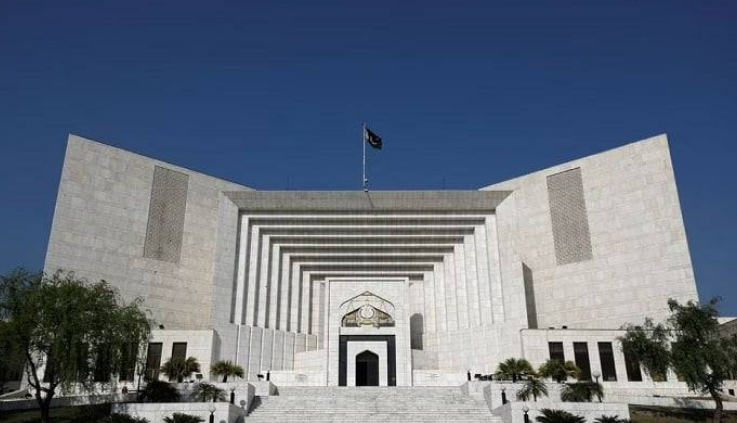
Isambard (Web Desk): Chief Justice of Pakistan (CJP) Yahya Afridi has convened a full court session on Friday to examine the recently enacted 27th Constitutional Amendment, following its passage in the Senate today with 64 votes in favor, achieving the required two-thirds majority, the sources said, confirming that the meeting will take place before Friday prayers.
The move comes after multiple appeals from Supreme Court justices, bar councils, and senior lawyers requesting formal deliberation on the amendment.
The legislation introduces a major overhaul of the judiciary by creating a Federal Constitutional Court (FCC) whose decisions will hold binding authority over the Supreme Court, effectively removing the apex court’s suo motu powers in constitutional matters.
The amendment was first approved by the National Assembly on Wednesday and then cleared the Senate after a second vote on Thursday.
After Senate approval, President Asif Ali Zardari signed the bill, with the Ministry of Parliamentary Affairs handling its submission for presidential assent. The Ministry of Law will now issue a gazette notification, formally enacting the 27th Amendment.
The legislation has sparked alarm among judges and the legal community, who argue it threatens the independence of the Supreme Court.
Letters from sitting judges, petitions from senior lawyers, and protests organized by bar associations have highlighted concerns over the amendment’s potential to shift the balance of power between the judiciary and the executive.
Justice Syed Mansoor urged the Chief Justice to engage with the executive on the proposed changes, while Justice Athar Minallah recommended convening a judicial convention. Retired judges and senior legal practitioners have echoed these calls for urgent judicial review.
Former Chief Justice Jawwad S. Khawaja has filed a challenge in the Supreme Court, warning that the amendment could weaken state institutions, disrupt the balance of powers, and contravene the doctrine of separation of powers.
A petition submitted by lawyers including Asad Rahim Khan and Zeeshaan Hashmi, represented by Umer Gilani ASC, describes the amendment as the most serious infringement on judicial independence since the Government of India Act, 1935.
The collective concerns of judges, lawyers, and bar associations underscore fears that the amendment could diminish the Supreme Court’s authority, weaken judicial autonomy, and centralize power within the executive and military.
The full court session on Friday is expected to deliberate on these issues.
Neo News | Copyright © 2026