Thu, September 17, 2026

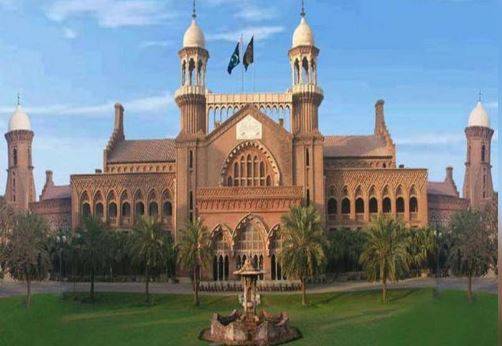
Lahore (Web Desk): The Lahore High Court (LHC) has issued a significant ruling regarding the protection of citizens’ fundamental rights, declaring that civil courts have no legal authority to seize, cancel, or block a national identity card (CNIC).
The verdict was announced by Justice Tayyab Ahmed Sheikh while hearing a petition filed by citizen Ali Ansari. In his detailed judgment, the court clarified important legal principles related to the status of identity documents in Pakistan.
The court categorically held that a CNIC is not “movable property” but merely an identity document issued by the state.
It further stated that a national identity card cannot be sold, transferred, or inherited, and therefore it cannot be treated like property in civil disputes.
The ruling emphasized that civil courts cannot interfere in matters related to CNIC blocking or cancellation, as such actions fall under specific legal and administrative frameworks governed by relevant authorities.
The court also ordered the immediate restoration of the petitioner’s CNIC, directing concerned departments to ensure compliance without delay.
Justice Sheikh observed that blocking a citizen’s identity card effectively deprives them of their basic identity and access to essential state services, which cannot be done through civil court orders.
Legal experts have described the judgment as a landmark decision, noting that it reinforces the legal framework under the National Database and Registration Authority ordinance and clarifies the proper procedure for handling identity-related disputes.
They further explained that in many civil disputes, parties attempt to get the opponent’s CNIC blocked as a pressure tactic. After this ruling, such practices are expected to be considered unlawful and procedurally invalid.
Experts also highlighted that the restoration of a CNIC ensures a citizen’s access to travel, banking services, and other fundamental social and legal rights, strengthening overall protections for individual identity under the law.
Neo News | Copyright © 2026