Fri, September 18, 2026

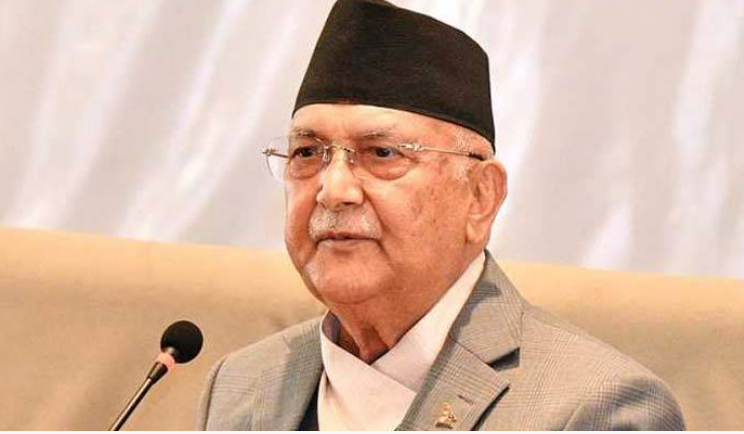
Khatmandu (Web Desk): Nepal’s Prime Minister KP Sharma Oli resigned on Tuesday after days of escalating unrest, with anti-corruption demonstrators openly defying an indefinite curfew and clashing with security forces. His departure came a day after 19 people were killed in violent protests sparked by the government’s decision to ban social media.
The ban was lifted on Monday as public anger intensified, but not before police used tear gas and rubber bullets to repel crowds trying to break into parliament, leaving more than 100 people injured. Even after the reversal, demonstrations continued to grow on Tuesday, leaving Oli with little choice but to step down, plunging the country into another phase of instability.
The upheaval is being described as the worst turmoil Nepal has seen in decades. Since the abolition of its monarchy in 2008, the Himalayan state—positioned between India and China—has struggled with economic challenges and fragile governments.
Oli confirmed his resignation in a letter to President Ramchandra Paudel, stating that he was stepping aside “in view of the adverse situation” to allow political forces to resolve the crisis under the constitution. An aide to the president said the resignation was accepted and that consultations to appoint a new leader had already begun.
Following the announcement, Nepal’s army issued an appeal on social media urging citizens to remain calm. Oli, 73, had taken office for his fourth term just last July, becoming Nepal’s 14th prime minister since the monarchy ended. His cabinet began to unravel on Monday night, when two ministers resigned, saying they could not continue in good conscience.
Earlier on Tuesday, Oli had convened a meeting with all political parties, emphasizing that the nation must reject violence and turn to dialogue. While expressing grief over the loss of lives, he blamed “selfish infiltrators” for fueling unrest but did not address protesters’ anger over corruption.
On the streets of Kathmandu, however, tensions continued. Protesters defied the curfew, torching tyres, throwing stones at riot police, and chasing officers through narrow lanes. Witnesses reported that homes of some politicians were set ablaze, while military helicopters rescued officials from danger zones
The Civil Aviation Authority ordered an immediate shutdown of Kathmandu airport, the country’s main international hub, warning that smoke from fires could jeopardize aircraft safety.
Demonstrators said their movement was about fighting corruption and creating a fairer future. “We want a corruption-free country where everyone has access to schools, hospitals, and opportunities,” protester Robin Sreshtha told Reuters TV.
Organisers called the unrest a generational uprising, led largely by young Nepalis disillusioned with the lack of jobs and opportunities. In a message to Reuters, one participant signed as “a concerned Nepali citizen” explained that young people had been exposing the lavish lifestyles of politicians’ families on social media before the government moved to block the platforms.
India, where many Nepalis work as migrants, called for restraint and dialogue. At the same time, the embassies of the US, UK, France, Germany, Japan, South Korea, Australia, Finland, and Norway released a joint statement urging all sides to avoid escalation, safeguard rights, and prevent further violence.
The crisis stems from Oli’s decision last week to block access to several social media platforms on the grounds that companies had failed to register locally. Critics accused the government of trying to suppress free speech, though officials argued the restrictions were meant to curb misinformation and online fraud.
Neo News | Copyright © 2026