Thu, September 17, 2026

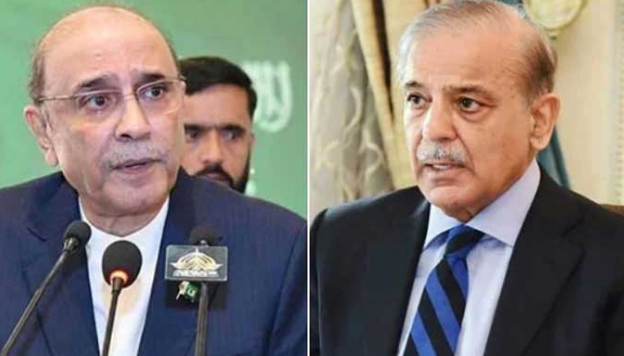
Islamabad (Web Desk): President Asif Ali Zardari and Prime Minister Shehbaz Sharif have once again expressed Pakistan’s consistent moral, political, and diplomatic backing for the people of Kashmir, underscoring their right to self-determination as recognized in the relevant resolutions of the United Nations Security Council (UNSC).
In separate statements, the president and the premier appealed to the international community to move past routine statements of concern and take practical steps to urge India to end reported human rights violations in Indian Illegally Occupied Jammu and Kashmir (IIOJK).
Deputy Prime Minister Ishaq Dar, in his own message, also called for immediate global attention to the worsening human rights environment in the territory. He stressed that the world must hold India accountable for what he termed illegal and unilateral measures, push for the enforcement of UNSC resolutions, and ensure that Kashmiris are granted their long-promised right to determine their own future.
Dar said India’s continued refusal to comply with international obligations weakens the authority of the UN Charter, disregards Security Council decisions, and goes against the principles of the Fourth Geneva Convention.
He reaffirmed that Pakistan will keep its diplomatic focus on achieving a peaceful and lasting solution to the Jammu and Kashmir dispute.
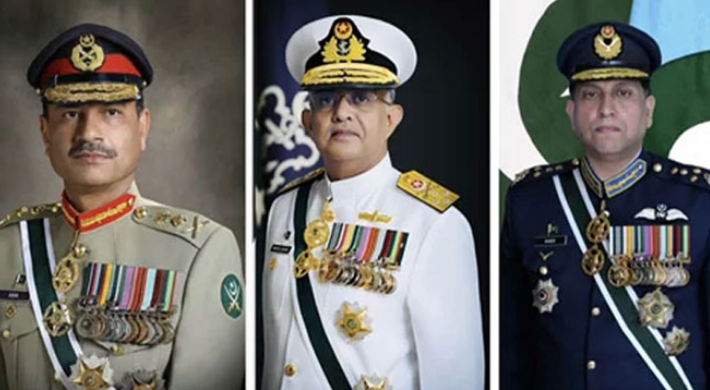
Meanwhile, in their separate messages issued in connection with Kashmir Day, Chief of Army Staff (COAS) and Chief of Defence Forces (CDF) Field Marshal Syed Asim Munir, Chief of the Air Staff Air Chief Marshal Zaheer Ahmed Baber Sidhu, Chief of the Naval Staff Admiral Naveed Ashraf, and the Pakistan Armed Forces reiterated their firm support for the people of IIOJK in their just struggle for self-determination.
According to the Inter-Services Public Relations (ISPR), the armed forces emphasized that a fair and peaceful settlement of the Jammu and Kashmir issue, aligned with UNSC resolutions and the wishes of the Kashmiri people, remains crucial for sustainable peace and stability across South Asia.
Neo News | Copyright © 2026