Thu, September 17, 2026

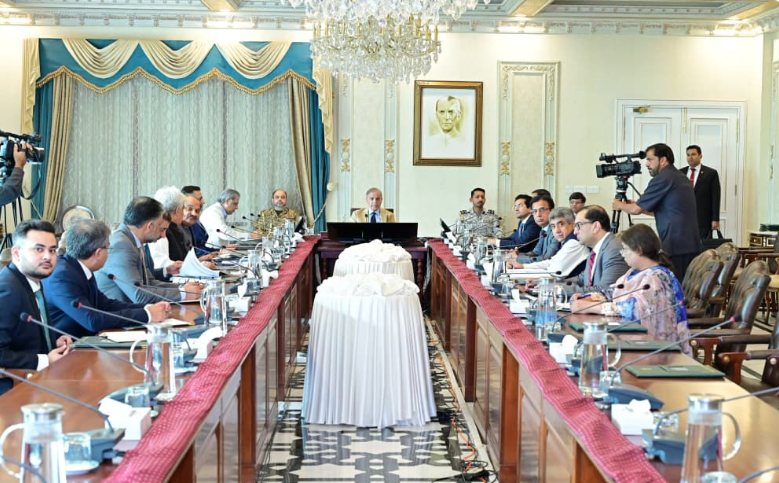
Islamabad (Web Desk): Prime Minister Shehbaz Sharif on Tuesday called for the immediate removal of bureaucratic delays and institutional inefficiencies to ensure that the ongoing reforms within the Federal Board of Revenue (FBR) are firmly embedded and sustained over the long term.
Chairing a meeting focused on revenue matters, the premier expressed his satisfaction with the recent uptick in the country’s tax-to-GDP ratio, attributing the improvement to a series of reform measures introduced by the federal government.
He reaffirmed his commitment to supporting the FBR’s restructuring efforts, pledging unwavering federal backing for initiatives aimed at strengthening revenue collection and administrative processes.
The premier particularly emphasized the importance of implementing customs clearance reforms consistently across all regions, urging that technological solutions be employed to cut down the time consumed in institutional procedures.
He stressed that embracing digital tools would bring greater transparency and speed to customs operations.
PM Shehbaz also underlined the necessity of coordination between federal and provincial bodies, instructing them to jointly work towards retaining the revenue gains achieved so far.
He noted that maintaining effective enforcement of previously introduced taxes in the upcoming fiscal year would be key to sustaining growth in national tax revenues.
The premier urged stakeholders to craft a comprehensive plan through consultation among the FBR, relevant federal agencies, and provincial governments to further raise the tax-to-GDP ratio.
Highlighting the importance of timelines, he made it clear that the deadlines set for the FBR’s reform and revenue targets must be met without delays or changes.
To improve public understanding of the reform process, the Prime Minister directed the FBR and Customs departments to expand their outreach in collaboration with the Ministry of Information and Broadcasting. The aim, he said, is to enhance public awareness and trust in the system.
During the meeting, officials briefed the prime minister that, following his special instructions, the income tax return form had been digitized and made available in Urdu. This move, they noted, would simplify tax filing for the majority of citizens, benefiting nearly 84% of filers.
The FBR, according to the briefing, had successfully achieved its revenue target for July—the first month of the current fiscal year—and is expected to continue on this trajectory in the coming months.
Progress was also reported on the establishment of digital enforcement stations to streamline customs operations.
The full rollout of the Centralized Assessment Unit (CAU) and the faceless customs model is currently underway, with the goal of making the clearance process more efficient, transparent, and less prone to human interference.
Officials highlighted that the reform agenda across the FBR and customs is proceeding in alignment with the set objectives, backed by policy shifts and strategic actions in multiple sectors.
The meeting was attended by key members of the federal cabinet and senior officials, including Economic Affairs Minister Ahad Khan Cheema, Information Minister Attaullah Tarar, Law Minister Azam Nazeer Tarar, Petroleum Minister Ali Pervaiz Malik, Minister of State for Finance Bilal Azhar Kayani, the Attorney General of Pakistan, and the Chairman of the FBR.
Neo News | Copyright © 2026