Fri, September 18, 2026

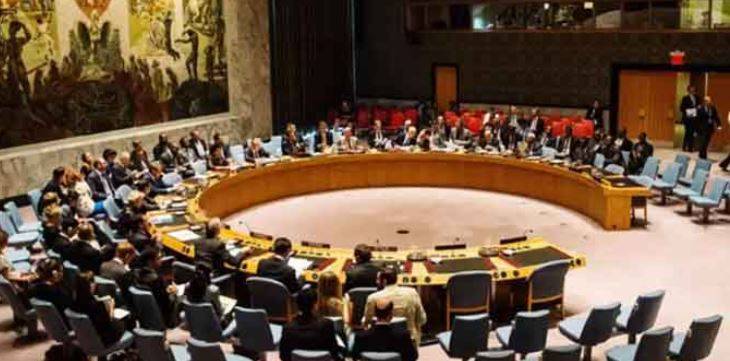
New York (Web Desk): Diplomatic efforts at the United Nations Security Council (UNSC) have hit another pause, as member states are now expected to take up next week a proposed resolution from Bahrain focused on ensuring the safety of commercial vessels passing through and near the Strait of Hormuz.
Officials said discussions have stalled largely due to firm objections from China, which has opposed any clause that could permit the use of force.
A council session that had originally been scheduled for Friday was first pushed to Saturday and has now been deferred altogether until sometime next week, with no confirmed timeline.
Diplomats indicated that disagreements among the 15-member body remain unresolved.
Bahrain’s mission to the UN has not yet explained the reason behind the delay. The draft resolution has already undergone revisions after encountering pushback from several countries, including Russia.
The initiative comes against the backdrop of heightened tensions in the region, where oil markets have reacted sharply since late February, when military strikes by the United States and Israel targeted Iran, setting off a conflict that has continued for over a month and severely disrupted one of the world’s busiest maritime routes.
Bahrain, which currently holds the rotating presidency of the council, completed a revised draft on Thursday proposing authorisation for “all defensive means necessary” to secure shipping in the affected area.
Speaking earlier, Bahrain’s foreign minister Abdullatif bin Rashid Al Zayani had expressed hope that a vote would be held on Friday, “God willing,” and said his country anticipated a united stance from council members.
In an effort to gather broader support, Bahrain—backed by fellow Gulf nations and Washington—had already removed direct language about binding enforcement from earlier versions of the text, aiming to ease concerns, particularly those raised by China and Russia.
A fourth iteration of the resolution was circulated under the council’s “silence procedure,” a mechanism used to fast-track approval unless objections are raised. Diplomats said that silence was broken by China, Russia and France, though the draft was later finalised, a stage referred to at the UN as being “put in blue,” which allows it to proceed to a vote.
The latest version would enable such protective measures for a minimum of six months, or longer if the council deems necessary.
However, addressing the council earlier in the day, China’s ambassador Fu Cong warned strongly against endorsing force, arguing that it could effectively legitimise actions that are unlawful and indiscriminate, potentially worsening the crisis and leading to serious fallout.
For the resolution to pass, it must secure at least nine affirmative votes and avoid a veto from any of the five permanent members—China, Russia, France, the United States and United Kingdom.
At the same time, US President Donald Trump has maintained that military operations against Iran will continue and suggested that Washington could restore access to the Strait of Hormuz with a bit more time, even as calls grow for a quicker end to the conflict.
Separately, the United Kingdom (UK) hosted talks involving over 40 countries to coordinate international efforts to reopen the crucial shipping lane and reaffirmed its support for Bahrain’s push to secure a resolution through the United Nations.
Neo News | Copyright © 2026