Fri, September 18, 2026

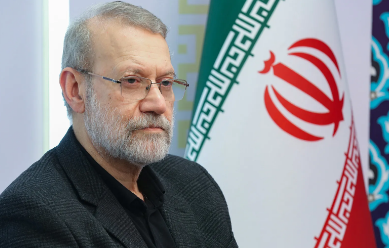
Tehran (Web Desk/Agencies): Iran’s security chief, Ali Larijani, has categorically rejected reports suggesting that Tehran intends to renew diplomatic engagement with Washington, affirming that the Islamic Republic has no plans to initiate talks with the United States (US).
Posting on X on Monday, Larijani dismissed claims circulated by Al Jazeera, which had referenced The Wall Street Journal, alleging that he had suggested resuming negotiations through Omani intermediaries.
لن نتفاوض مع الولايات المتحدة https://t.co/cvEweU8ODj
— Ali Larijani | علی لاریجانی (@alilarijani_ir) March 2, 2026
The report indicated that such a proposal had been conveyed to Washington via Oman, a claim Larijani denied entirely, stressing that Iran had not reached out and would not enter into discussions with the US.
عاجل | وول ستريت جورنال عن مسؤولين: مبادرة لاريجاني لاستئناف المحادثات مع واشنطن قدمت عبر وسطاء من سلطنة #عمان
— الجزيرة - عاجل (@AJABreaking) March 2, 2026
In the same statement, Larijani strongly criticized US President Donald Trump, accusing him of creating instability in the region through reckless policies.
He argued that Trump is now concerned about rising American military losses and claimed that the “America First” approach effectively served Israel’s interests at the expense of US personnel.
ترامپ با "آرزوهای واهی" منطقه را به آشوب کشاند و حالا نگران تلفات بیشتر نیروهای امریکایی است.
— Ali Larijani | علی لاریجانی (@alilarijani_ir) March 2, 2026
وی با عملکرد متوهمانه، شعار خودساخته "اول امریکا" را به "اول اسرائیل" تبدیل کرد و سربازان امریکایی را فدای قدرت طلبی اسرائیل نمود... ۱/۲
These tensions emerge amid heightened turmoil following the killing of Iran’s Supreme Leader, Ali Khamenei, in what Iranian officials describe as a coordinated airstrike on Tehran carried out by US and Israeli forces. Iranian authorities have pledged a strong retaliation.
President Masoud Pezeshkian described revenge for Khamenei’s death as both a responsibility and a legitimate right.
To maintain governance, Iran’s leadership swiftly formed a temporary council including the president, the head of the judiciary, and a Guardian Council member. Cleric Alireza Arafi was appointed to the panel, tasked with managing state affairs until the Assembly of Experts appoints a new supreme leader.
Authorities declared a 40-day national mourning period along with seven public holidays. Thousands gathered in Tehran to mourn, though reports noted that some government critics appeared to welcome the developments.
Hostilities intensified on the second day of conflict, with Israel conducting additional strikes in Tehran while Iran launched missile attacks at multiple regional targets.
Emergency services in Israel confirmed nine deaths in Beit Shemesh, while authorities across several Gulf nations reported casualties and infrastructure damage. Maritime operations near the Strait of Hormuz were also disrupted after ships were targeted, forcing major shipping companies to suspend parts of their regional activities.
The situation has raised concerns of a wider conflict with potentially serious security and economic implications.
Neo News | Copyright © 2026