Thu, September 17, 2026

By Wajiha Tamseel Mirza
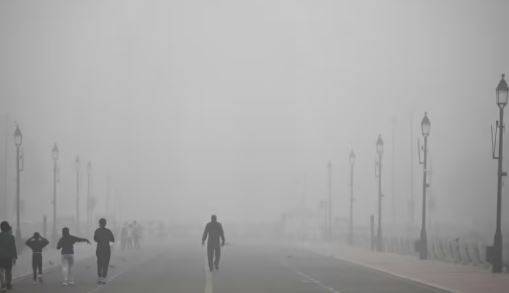
Smog, a combination of ( smoke and fog ) has become one of the most serious environmental hazards in many parts of the world, especially in South Asia. It forms when pollutants like nitrogen oxides, sulfur dioxide, and volatile organic compounds interact with sunlight, creating a thick haze that lingers over cities.
While smog affects visibility and damages the environment, its most dangerous impact is on human health. Prolonged exposure to smog can lead to serious short- and long-term health issues, affecting the lungs, heart, and even the brain.
One of the most immediate effects of smog is respiratory irritation. When people breathe polluted air, fine particulate matter (PM2.5 and PM10) enters the respiratory system, causing coughing, throat irritation, and difficulty in breathing.
For individuals with asthma, chronic bronchitis, or other respiratory conditions, smog can trigger severe attacks and worsen their symptoms. Children, whose lungs are still developing, are particularly vulnerable and can experience reduced lung function over time.
Another major concern is the impact of smog on the cardiovascular system. Research shows that air pollutants can enter the bloodstream through the lungs, leading to inflammation of blood vessels and increasing the risk of heart attacks, strokes, and high blood pressure.
Elderly people and those with pre-existing heart conditions face a much higher risk during smog-heavy seasons. Even short-term exposure to polluted air can cause irregular heartbeats and chest pain in sensitive individuals.
Smog also has long-term health consequences that are often overlooked. Prolonged exposure can increase the risk of developing chronic respiratory diseases such as asthma, chronic obstructive pulmonary disease (COPD), and even lung cancer.
Studies have linked smog exposure to premature deaths due to respiratory and cardiovascular failures. In addition, the toxins present in smog can weaken the immune system, making the body more susceptible to infections and allergies.
Beyond physical health, smog can also affect mental well-being. Research has found associations between air pollution and cognitive decline, anxiety, and depression. Pollutants reduce oxygen supply to the brain, impairing concentration and memory. Students and working professionals often find it harder to focus or perform efficiently when smog levels are high.
Moreover, pregnant women and infants are among the most vulnerable groups. Inhaling polluted air during pregnancy can lead to complications such as premature birth, low birth weight, and developmental issues in children. The presence of heavy metals and chemicals in smog makes it especially harmful for growing bodies.
To protect against the health damages of smog, individuals should avoid outdoor activities during high pollution hours, use masks or air purifiers, and stay hydrated. Governments also need to take strong measures—such as controlling vehicle emissions, promoting public transport, and regulating industrial waste—to improve air quality.
Smog is more than just an environmental issue ; it is a serious public health crisis. Its effects on the lungs, heart, brain, and overall well-being highlight the urgent need for collective action. Cleaner air means healthier lives, and tackling smog must become a top priority for both individuals and policy makers alike.

Wajeeha Tamsil Mirza is a multimedia journalist based in Pakistan who delivers fact-based news. After graduating in the field of journalism, she has been serving as a reporter, news correspondent, and columnist in both Urdu and English newspapers across Pakistan. She is also nominated for various national and international journalistic councils, forums, press clubs, and associations. Wajeeha continues to fulfill her journalistic responsibilities across digital and print media platforms. She is actively working as a journalist with Team SarAam and contributes as a social worker with Al-Khidmat Foundation Pakistan.
Neo News | Copyright © 2026