Thu, September 17, 2026

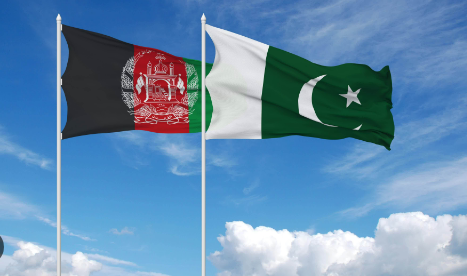
Islamabad (Web Desk): Pakistan has agreed to reopen negotiations with the Afghan Taliban after mediation efforts by Turkiye, the security sources revealed on Thursday
Officials said the Pakistani delegation currently in Istanbul, where the second phase of talks began last weekend, was originally preparing to return home but has now extended its stay to continue discussions.
The talks will focus on Islamabad’s principal demand that Afghanistan take “concrete, verifiable and effective measures” against terrorist networks operating from its territory.
As per the security sources, Pakistan chose to “give peace another chance,” stressing that the country reiterated its stance that Afghan land must not be used for terrorist attacks targeting Pakistan
Tensions between the two neighbouring nations have escalated in recent weeks, with both sides engaging in border clashes, mutual accusations and harsh statements.
The initial round of talks—facilitated by Qatar and Turkiye in Doha on October 18–19—had resulted in a temporary 48-hour truce following days of fierce fighting along the Pak-Afghan border and Pakistani airstrikes on Gul Bahadur group hideouts inside Afghanistan.
However, the recent discussions in Istanbul did not lead to a breakthrough. Information Minister Attaullah Tarar acknowledged on Wednesday that the four-day deliberations had failed to produce a “workable outcome.” His remarks came shortly before Defence Minister Khawaja Asif warned that Pakistan could carry out strikes deep inside Afghanistan if terrorist activities persisted.
Asif said the Afghan Taliban admitted that the outlawed Tehreek-i-Taliban Pakistan (TTP) operates from their soil and must be stopped, but they refused to provide this assurance in writing.
The minister clarified that Pakistan was never asked to include the TTP in the dialogue — and even if such a suggestion had been made, it would have been categorically rejected.
He also alleged that Kabul’s delegation was in constant contact with its leadership, which was aligning with India and obstructing progress toward an agreement.
The purpose of the Istanbul round was to finalize a framework to monitor the Afghan Taliban’s counterterrorism pledges. The agenda covered dismantling TTP bases, capturing or expelling its leaders, and setting timelines for actions such as raids, arrests and the destruction of safe houses.
Pakistan also pushed for the creation of mechanisms for intelligence-sharing, real-time tracking of militant movements and financial flows, and enhanced border coordination. Additionally, Islamabad proposed a third-party monitoring system — potentially led jointly by Turkiye and Qatar — to oversee implementation and address any breaches.
Other priorities included securing Kabul’s commitment not to offer sanctuary to anti-Pakistan elements, reinforcing border management, ensuring transparency in the financing of militant outfits, and organizing regular review sessions to evaluate compliance.
Neo News | Copyright © 2026