Thu, September 17, 2026

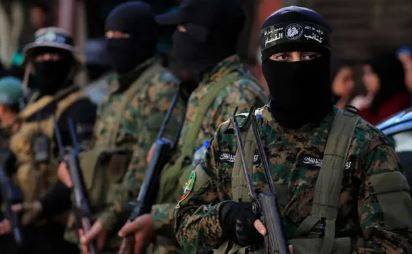
Gaza City (Web Desk): In a recent statement from Gaza, Hamas has called for the immediate opening of the Rafah crossing between Gaza and Egypt from both sides. This demand is part of a broader call for the swift enforcement of the second phase of the ongoing Gaza ceasefire.
The Rafah crossing is a crucial entry and exit point for goods and people between Gaza and Egypt, and Hamas' request for its immediate opening underscores the importance of facilitating humanitarian aid and easing the blockade on Gaza.
Hamas further insisted that the ceasefire, which has seen various stages of implementation, move forward without delay.
They have particularly called for the immediate implementation of the second phase of the ceasefire agreement, which includes the cessation of hostilities and the establishment of a more formal peace process between the involved parties.
In addition to the ceasefire, Hamas also requested the formation of a Palestinian technocratic committee to oversee the administration of Gaza.
The call for such a committee reflects Hamas' desire to manage Gaza's affairs in a more streamlined, technically competent manner, possibly in cooperation with international bodies, to help rebuild and stabilize the region.
This would likely involve managing humanitarian aid, infrastructure rebuilding, and ensuring the smooth distribution of resources amid the ongoing conflict.
Meanwhile, in a related development, US President Donald Trump made a significant comment regarding Hamas' role in the release of hostages from Gaza.
Trump stated that Hamas had played a major role in securing the return of hostages, signaling their involvement in key negotiations.
However, he also hinted that it appeared Hamas might be on the verge of disarmament. This statement has raised questions about the future trajectory of Hamas and its role in the region, especially in the context of their military activities and political influence.
Hamas' demand to open the Rafah crossing, combined with the call for a technocratic committee to manage Gaza and the broader geopolitical discussions surrounding disarmament, highlights the complex dynamics in the ongoing conflict and the evolving political landscape in Gaza and the Middle East at large.
The situation remains fluid, and international actors will likely continue to play a significant role in shaping the region's future.
Neo News | Copyright © 2026