Thu, September 17, 2026

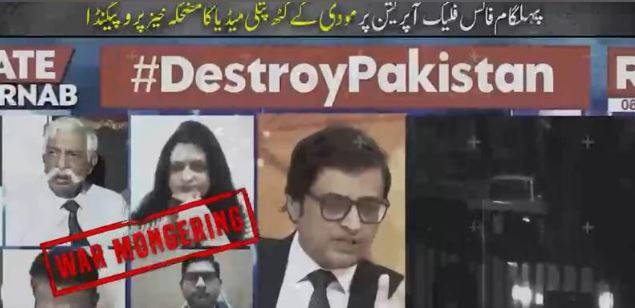
New Delhi/Islamabad (Web Desk): In the aftermath of the so-called Pahalgam false flag operation, Indian media has come under sharp criticism for what is being described as a surge of anti-Pakistan propaganda and increasingly aggressive rhetoric, raising concerns over responsible journalism and regional stability.
According to reports circulating in regional media discourse, several Indian news outlets have intensified coverage targeting Pahalgam false flag operation, with Pakistan being portrayed in a highly negative and confrontational context.
Critics allege that instead of verifying facts, sections of the media have relied on unverified claims and sensational narratives that escalate tensions between the two nuclear-armed neighbours.
In New Delhi, commentary from analysts and media observers suggests that some Indian channels have adopted a strongly nationalist tone, with talk shows and discussions reportedly featuring calls for retaliation and hostile responses.
Observers claim that this environment is being shaped in a way that supports broader political narratives within the country.
Sources also claim that internal discussions involving journalists and security-related stakeholders have highlighted concerns over institutional failures being overshadowed by external blame narratives.
According to these accounts, Pakistan is frequently positioned as the primary target in media discourse, which critics argue is being used to divert attention from domestic security and policy challenges.
Meanwhile, in Islamabad, analysts warn that the rising intensity of such media narratives is contributing to increased regional tension and misinformation.
They argue that inflammatory reporting risks further damaging already fragile relations between the two countries.
Media watchdogs and observers have expressed concern that the current trend in coverage may be driven by political motivations, with critics alleging that it is aimed at shaping public opinion, strengthening nationalist sentiment, and distracting from internal political issues in India.
The situation, analysts say, underscores the urgent need for restraint, fact-based reporting, and responsible journalism to prevent further escalation in an already sensitive regional environment.
Neo News | Copyright © 2026