Thu, September 17, 2026

Islamabad (Web Desk): Pakistan alongside other countries in the region in an effort to broker a “standby agreement” intended to formally end the Iran-US conflict and create a roadmap for addressing the long-standing disputes between Tehran and Washington.
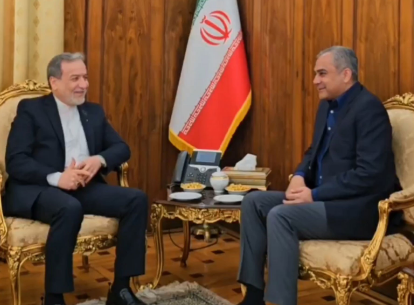
As part of these diplomatic efforts, Interior Minister Mohsin Naqvi continued his meetings in Tehran during his second visit in a matter of days, the Iranian media reported.
During the trip, he held separate discussions with Iranian Foreign Minister Abbas Araqchi and Interior Minister Eskandar Momeni.
According to Iran’s official news agency IRNA, during Naqvi’s meeting with FM Abbas Araghchi, a range of proposals focused on bringing an end to the ongoing tensions between the United States (US) and Iran, according to Iran’s state news agency IRNA.
The two leaders also exchanged views on possible strategies for promoting lasting peace and stability across the region, with discussions centring on diplomatic solutions and long-term regional security arrangements.
IRNA also reported that Naqvi also met President Masoud Pezeshkian, where both sides reviewed the evolving regional situation and ongoing diplomatic contacts linked to talks between Iran and the United States.
According to Iranian officials, President Pezeshkian acknowledged Pakistan’s positive role in supporting regional peace and constructive diplomatic engagement.
Meanwhile, Iran’s Foreign Ministry confirmed that Tehran is evaluating a new proposal submitted by the United States aimed at ending the conflict.
Diplomatic insiders said the latest proposal differs from previous attempts and is designed to break the deadlock through what US President Donald Trump had earlier referred to as a “letter of intent” — essentially a temporary understanding meant to provide both sides with a way out of the crisis.
The proposed arrangement seeks to formally bring hostilities to an end while also establishing a wider framework for future negotiations on unresolved issues.
One of the most sensitive matters remains the status of the Strait of Hormuz. The United States, Gulf nations and other countries reliant on the strategic sea route are demanding the restoration of normal shipping conditions that existed before the conflict to ensure uninterrupted global oil supplies.
Iran, however, maintains that it possesses sovereign authority over the crucial waterway, through which nearly 20 percent of the world’s oil passes.
Iranian media outlets also reported that a senior Pakistani military official may travel to Tehran in the coming days to help advance efforts aimed at finalising the agreement.
Islamabad has so far avoided publicly confirming any such visit. Sources said the high-level trip would likely depend on whether Naqvi’s ongoing discussions lead to meaningful diplomatic progress.
On Thursday, US Secretary of State Marco Rubio also confirmed that Pakistani officials would be travelling to Tehran, expressing hope that the engagement could help move the process forward.
Rubio said President Trump’s preferred option remained reaching a favourable agreement through diplomacy. However, he warned that the US administration had alternative options available if negotiations failed, though he declined to elaborate further.
He added that there were encouraging indications emerging from the talks, but cautioned against excessive optimism until developments become clearer over the next few days.
Observers believe the latest temporary arrangement is intended to end the prolonged uncertainty that has gripped the region since the conflict began.
Analysts warn that without a formal settlement, the possibility of renewed tensions and another outbreak of war could continue to threaten regional stability.
For this reason, Pakistan and several other regional countries are said to be stepping up diplomatic efforts to ensure the current peace initiative succeeds rather than collapses.
Neo News | Copyright © 2026