Thu, September 17, 2026

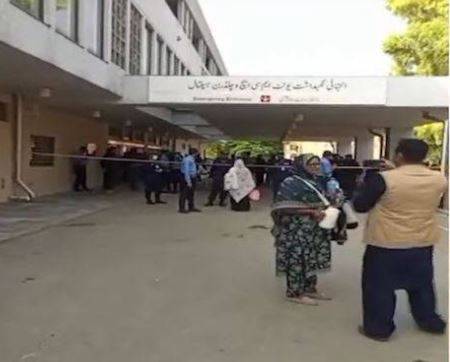
Islamabad (Web Desk): An inquiry report into the fire at the MCH Nursery of the Pakistan Institute of Medical Sciences (PIMS), which claimed the lives of 14 newborn babies, has been released.
The investigation committee was constituted on the directives of Prime Minister Shehbaz Sharif to determine the cause of the blaze, assess safety arrangements and examine institutional responsibilities.
According to the inquiry report, 15 newborn babies were under treatment in the PIMS nursery when the fire broke out.
Fourteen infants lost their lives, while one baby survived. CCTV footage showed that the fire had become clearly visible at around 6:38pm.
The report noted that frontline staff immediately attempted to rescue the newborns. Nurse Raziya Noreen managed to safely evacuate one baby.
The available evidence indicated that the staff did not abandon the infants during the emergency and made efforts to save them.
Technical evidence collected by the National Forensic Agency identified an electrical fault in the power cable of AC Unit No. 2 as the most probable cause of the fire.
Investigators said the presence of combustible material and an oxygen-rich environment contributed to the rapid spread of flames and intensified smoke inside the nursery.
The inquiry committee found serious shortcomings in the nursery’s fire safety arrangements. It observed that there was no effective fire detection and alarm system, sprinkler system or properly established and practised evacuation mechanism specifically designed for newborn babies.
The report also noted that external emergency assistance became operational around 16 minutes after the fire started.
The committee placed primary institutional responsibility on PIMS and its senior administration. However, it recommended further investigation to determine whether any individuals should be held personally responsible for the incident.
The inquiry committee has recommended comprehensive fire safety and electrical safety audits at the facility, installation of effective fire detection, alarm and firefighting systems, and the development of dedicated standard operating procedures (SOPs) for the safe evacuation of newborns.
It also called for regular fire drills and emergency response exercises to ensure that medical staff are properly prepared to deal with similar incidents in the future.
Neo News | Copyright © 2026