Thu, September 17, 2026

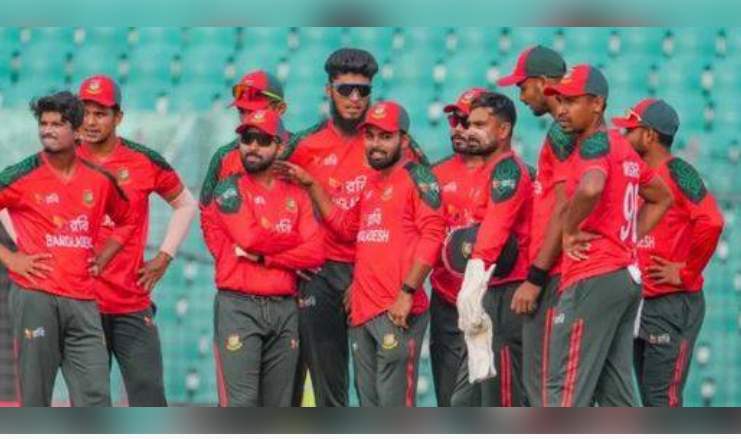
Dhaka (Web Desk): Bangladesh has once again made it clear that it will not be sending its national cricket team to India for the upcoming ICC T20 World Cup, despite fresh talks with the sport’s global governing body.
On Tuesday, officials from the Bangladesh Cricket Board held a video meeting with the International Cricket Council in which they repeated their demand that the team’s matches be moved out of India because of security fears.
The dispute began earlier this month when Bangladesh announced on January 4 that it would not play its scheduled World Cup games in India.
The move followed the release of fast bowler Mustafizur Rahman by his Indian Premier League franchise, a decision that came at a time when political relations between the two neighboring countries were rapidly worsening. Soon after, the Bangladesh board formally asked the ICC to relocate its matches to Sri Lanka instead.
The T20 World Cup is due to start on February 7, and Bangladesh is currently supposed to play all four of its group-stage fixtures in India. During Tuesday’s online meeting, the cricket board said it again urged the ICC to consider shifting those games to another venue outside India. In a statement issued afterward, the board said it stood by its decision not to travel, stressing that the safety of players, officials and support staff was its primary concern.
The ICC, for its part, pointed out that the tournament schedule had already been finalized and asked Bangladesh to rethink its position. However, the BCB said its stance had not changed. While discussions are still ongoing as both sides look for a way forward, the board maintained that it could not compromise on the security of its team.
Bangladesh, captained by Litton Das, is currently ranked ninth in the ICC’s T20 international standings. The team has appeared in all nine previous editions of the T20 World Cup but has yet to make it to the semifinals.
The cricketing standoff is unfolding against a backdrop of strained diplomatic relations between India and Bangladesh. Ties between the two countries deteriorated after mass protests in Dhaka in 2024 led to the removal of then-prime minister Sheikh Hasina, who had been a close partner of New Delhi.
More recently, India’s foreign ministry accused Bangladesh of allowing continued hostility toward minority communities in the Muslim-majority nation. Bangladesh’s interim leader, Nobel Peace Prize laureate Muhammad Yunus, has rejected those claims, saying India has overstated the level of violence.
Neo News | Copyright © 2026