Wed, September 16, 2026

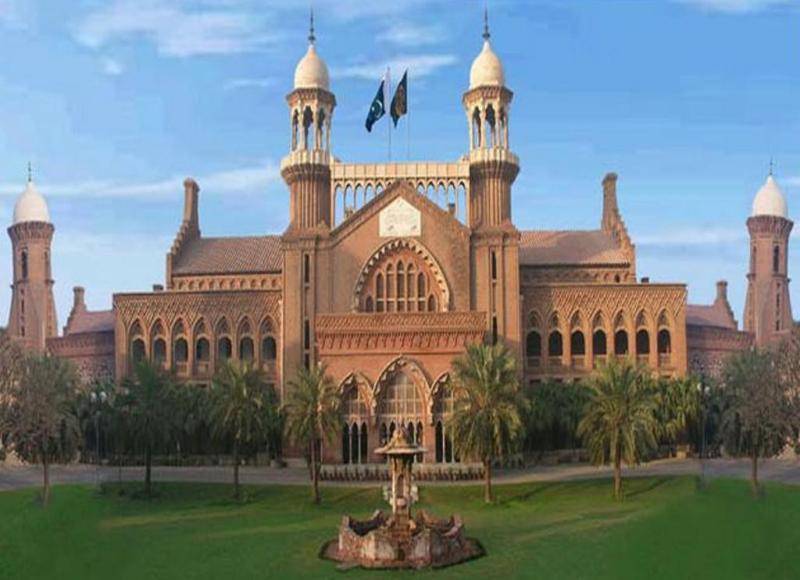
Lahore (Web Desk): The Lahore High Court (LHC) on Friday restrained medical colleges across Punjab from removing Afghan students from their programmes while petitions challenging their expulsions remain under consideration.
Justice Khalid Ishaq presided over the hearing of petitions submitted by more than 30 Afghan students who challenged their removal from medical colleges in the province.
During the proceedings, counsel representing the Pakistan Medical and Dental Council (PM&DC) maintained that the students lacked the necessary documentation required to continue their stay and education in Pakistan.
The lawyer argued that international practice does not allow a person to remain in a country without a valid visa, citing the example that individuals cannot legally stay in the United States without proper visa status.
Justice Ishaq questioned the argument, asking how the students had originally been issued education visas at the time of their admission to medical colleges.
The judge further raised concerns over the decision to send the students back after they had already spent four years pursuing their medical education.
He observed that the students should have been given an opportunity to present their position before action was taken against them.
The PM&DC counsel reiterated that the issue involved matters of state security and again referred to visa regulations in the United States.
Justice Khalid Ishaq, however, remarked that the students could be repatriated after they had completed their medical education.
The judge also rejected the state security justification, observing that the matter before the court did not involve any state security concern.
The LHC subsequently ordered that no medical college in Punjab should expel the students or cancel their examination papers. The court adjourned further proceedings until next Friday.
The court's intervention came a day after the PM&DC clarified that Pakistani regulations did not impose any nationality-based ban on foreign nationals, including Afghans, seeking medical education in the country.
In its statement, the council said its review of Afghan medical students was focused on compliance with regulatory and documentation requirements and was not aimed at discriminating against students on the basis of nationality.
The PM&DC maintained that Pakistan continued to accommodate foreign nationals seeking medical and dental education, provided they met the relevant regulatory requirements and government policies.
Foreign students fulfilling the required academic, registration, documentation and immigration conditions were being facilitated through the established system, it added.
According to the council, its verification and regulatory assessment found that more than 200 Afghan students were currently studying medicine in Pakistan, but only 22 were registered with the PM&DC.
Of those registered students, 14 had already completed their degree programmes, while the remaining eight were expected to graduate next year, the council said.
The PM&DC also clarified that merely completing a medical degree does not automatically give a foreign national the right to remain in Pakistan for employment or to practise medicine.
Students wishing to work as doctors in the country must separately meet the relevant licensing and registration requirements.
The council said verification of the remaining 176 Afghan medical students was still in progress and that the figure could change once the process was completed.
The PM&DC further stated that individuals who were not registered with the council and lacked the required permissions under the applicable rules could not be considered lawfully enrolled foreign medical students within Pakistan's regulated medical education system.
It stressed that its actions were being taken on the basis of documented status, relevant regulations and instructions issued by the competent authorities.
Neo News | Copyright © 2026