Thu, September 17, 2026

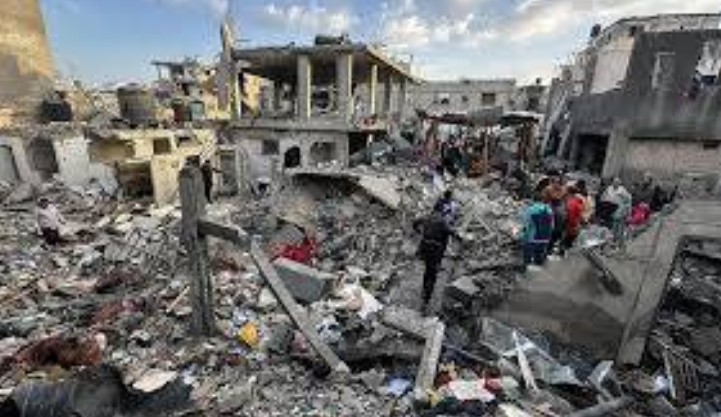
New York (Web Desk): In the past week, scores of medical staff and their families have been killed in Gaza, yet United Nations (UN) health partners continue to provide emergency care despite severely limited resources, a UN spokesperson reported.
Across the Gaza Strip, as residents desperately seek food, mass casualty incidents are being reported nearly every day, Stephane Dujarric, the UN spokesperson, told reporters during his regular briefing in New York.
Hospitals, already under tremendous strain, are struggling to cope with the rising number of patients, and the shortage of critical supplies—including fuel and medicines—is placing even greater pressure on overwhelmed medical teams.
The Israeli conflict has had a devastating impact on healthcare workers, with Gazan health authorities reporting that more than 1,500 medical personnel have died in Gaza since October 2023.
The World Health Organization (WHO) announced that 11 trucks carrying medical aid, including surgical supplies, assistive devices, orthopedic instruments, and other vital medical equipment, entered the Gaza Strip on Tuesday. These supplies will be distributed among various health facilities throughout the region.
Tedros Adhanom Ghebreyesus, the WHO Director-General, emphasized in a social media post that the health needs in Gaza remain vast, and significantly more medical supplies are urgently required.
He called for the unobstructed entry of fuel, food, and health aid into Gaza through all available routes.
Dujarric supported this appeal, urging the opening of all crossings and corridors to guarantee consistent, frequent, and large-scale delivery of aid to those in need, wherever they are located.
Amid ongoing difficulties in accessing essential resources, the risk of deadly disease outbreaks is increasing. In northern Gaza, ten water wells have ceased operation due to a lack of fuel, while another 25 are only partially functioning and could soon stop entirely.
Reduced pumping hours, diminished water production, and limited solid waste collection are creating conditions that encourage the spread of diseases, particularly among vulnerable populations such as children, elderly people, and pregnant women, Dujarric noted.
He also highlighted that no hygiene products have entered Gaza since early March 2025.
The persistent shortage of cleaning and sanitation supplies is severely impacting public health and hindering an effective medical response in the region.
Neo News | Copyright © 2026