Thu, September 17, 2026

Islamabad (Web Desk): International Literacy Day is being observed worldwide, including in Pakistan, on Tuesday with a renewed focus on literacy as a basic human right and an essential pathway to learning, better opportunities and active involvement in society.
The theme for International Literacy Day 2026 is “Literacy for people, the planet and prosperity.”
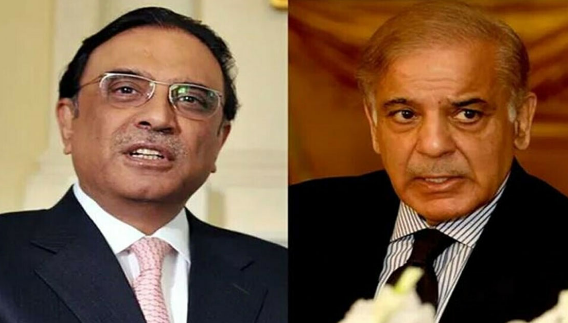
President Asif Ali Zardari and Prime Minister Shehbaz Sharif have reaffirmed the government's commitment to ensuring equal, inclusive, and quality education for all.
In separate messages on the occasion, the president and the premier called for closer cooperation among educational institutions, government bodies and civil society to raise literacy levels and strengthen the country’s education system.
President Zardari congratulated the nation and appreciated the efforts of teachers, students, parents, educationists and community workers who continue to contribute to the promotion of education.
He noted that this year’s International Literacy Day is particularly significant as it marks the 60th anniversary of the observance.
Referring to the theme, “Literacy for People, the Planet and Prosperity,” he said literacy goes beyond the ability to read and write, enabling people to gain knowledge, make informed choices and participate constructively in society.
The president described universal literacy as both a national development need and a moral obligation, pointing out that many children remain out of school while others do not have access to quality learning. He said every child deprived of education represents lost potential for the country.
He stressed the need to combine basic literacy with critical thinking, digital knowledge and practical skills, particularly for children in remote and disadvantaged communities and for young people and adults who missed formal schooling.
The president also called for stronger non-formal education, accelerated learning and adult literacy programmes.
He said educating and empowering women and girls must remain a national priority, as educated women can contribute significantly to the health, education and economic welfare of their families and communities.
President Zardari linked Pakistan’s literacy drive with Sustainable Development Goal 4 and urged federal and provincial governments, educational institutions, businesses, civil society, philanthropists and overseas Pakistanis to join efforts for innovation, knowledge and lifelong learning. He also praised teachers, calling for greater recognition, respect and continued support for their role in nation-building.
The president expressed hope for a Pakistan where knowledge creates greater opportunities, equality and prosperity, concluding his message with “Pakistan Zindabad.”
Prime Minister Shehbaz Sharif said literacy has been central to improving the quality of life and achieving progress and prosperity for both individuals and nations.
He stressed that promoting literacy and cooperation in education should remain a shared national and international priority.
The prime minister said literacy should not be measured simply by the number of people able to read and write, but should be regarded as a tool for building a stronger and brighter future.
He said the government was focused on equal and quality education, with special attention to digital literacy, skills training, research and innovation.
The federal government, he added, was working with provinces and other stakeholders to raise literacy levels and make education more relevant to modern needs.
PM Shehbaz said that special initiatives had been introduced to bring out-of-school children into the education system, while Daanish Schools demonstrated the government’s commitment to ensuring that financial circumstances do not determine a child’s access to quality education.
He said free education for deserving and disadvantaged children, particularly orphans, was helping develop talent, confidence and better opportunities. “Such efforts reflect our resolve to make quality education a means of social development and national inclusion,” he maintained.
PM Shehbaz said that the National Vocational and Technical Training Commission (NAVTTC) had also been strengthened to provide young people with internationally recognised and market-oriented skills, helping them pursue employment, entrepreneurship and wider economic opportunities.
“To fully realize the benefits of literacy, it is equally imperative to give special attention to women’s education and empowerment. The country’s inclusive development depends on ensuring that women have equal opportunities to develop their capabilities and play their due role in national development,” he further stressed.
The prime minister also highlighted literacy’s role in creating awareness about climate change, environmental damage and other modern challenges, saying informed citizens could better protect and responsibly manage natural resources.
He urged the government, educational institutions, teachers, students, parents, civil society, development partners, businesses and media to coordinate their efforts to improve literacy and build a stronger education system.
“Let us renew our resolve that, as a nation, we will illuminate the minds of our younger generation with the light of knowledge and ensure a prosperous and accomplished future marked by progress and opportunity,” PM Shehbaz emphasised.
Neo News | Copyright © 2026