Wed, September 16, 2026
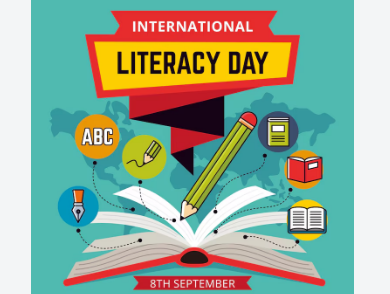
Islamabad (Web Desk): International Literacy Day is being commemorated worldwide, including in Pakistan, on Tuesday with a renewed focus on literacy as a basic human right and an essential pathway to learning, better opportunities and active involvement in society.
The theme for International Literacy Day 2026 is “Literacy for people, the planet and prosperity.”
The United Nations Educational, Scientific and Cultural Organization (UNESCO) says this year’s theme seeks to highlight the contribution literacy can make towards building inclusive communities, advancing sustainable development and opening new avenues for employment, livelihoods and economic progress.
The 2026 edition holds special significance as International Literacy Day completes six decades. The observance will examine why literacy remains essential in a world undergoing swift technological, social and economic transformation.
The day also serves as a moment to evaluate the progress made in literacy over the years, develop a clearer understanding of longstanding and newly developing obstacles, and determine priorities for literacy initiatives in the years ahead.
International Literacy Day was established in 1966 after UNESCO adopted the initiative at its 14th General Conference. The first observance took place in 1967, and September 8 has since been marked every year to encourage governments, educators, organisations and the public to recognise the wider importance of literacy.
The significance of literacy extends well beyond the basic ability to read and write. UNESCO regards it as a fundamental human right that enables individuals to claim and exercise other rights, acquire essential knowledge and skills, contribute to their communities and access greater personal and economic opportunities. Literacy also plays an important role in creating societies based on fairness, peace and sustainability.
The 2026 campaign is taking place against a backdrop of notable gains in global literacy, although serious inequalities and learning gaps continue to affect large numbers of people.
UNESCO estimates, using 2024 figures, that at least 739 million young people and adults worldwide remain without basic literacy abilities. In addition, four out of every 10 children are still unable to achieve the minimum required level of reading proficiency.
In view of these challenges, this year’s theme presents literacy as an ability with implications far beyond the individual, connecting it with broader goals involving social inclusion, environmental sustainability and economic advancement.
The 60th anniversary also offers an opportunity to review the progress achieved during the past six decades, examine challenges that have persisted or recently emerged, and contribute to the development of effective literacy policies and programmes for the future.
Since its establishment, International Literacy Day has grown into a significant annual occasion for governments, educators, civil society organisations and other stakeholders to exchange ideas and consider new approaches to expanding literacy access and learning opportunities worldwide.
Neo News | Copyright © 2026