Thu, September 17, 2026

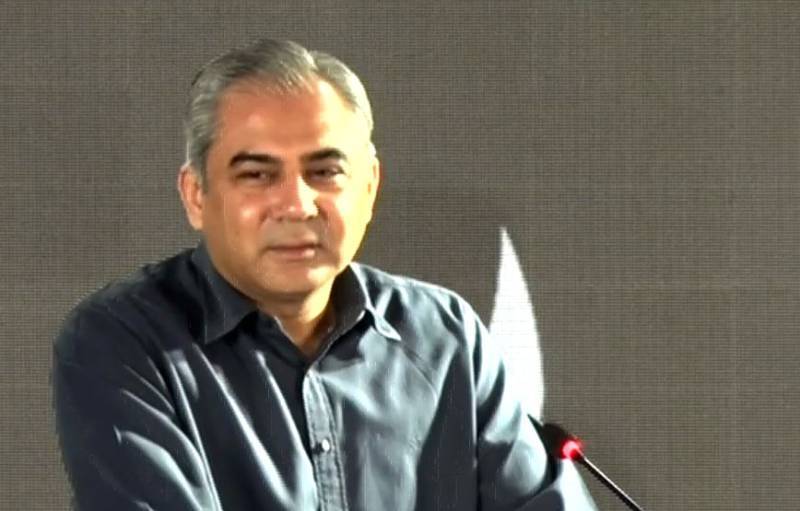
Lahore (Web Desk): Interior Minister Mohsin Naqvi has said that resetting the state system does not mean dismantling it, but addressing its shortcomings through reforms within the framework of the Constitution.
Addressing the National Policy Dialogue in Lahore, the interior minister clarified that his earlier remarks about a “reset” were not directed at any political party or the existing political setup.
Naqvi said he had spoken about the need to reset the system a month and five days earlier, but his remarks were interpreted differently by different quarters. While some linked his comments to the government, others associated them with the political system.
He stressed that he was referring to the overall system that has evolved in the country over the past 79 years.
The interior minister said that if the existing system was failing to deliver the desired outcomes, its strengths and weaknesses needed to be assessed and necessary reforms introduced.
He emphasised that education, healthcare, access to clean drinking water and justice were fundamental necessities that should be available to every citizen.
Speaking about the creation of new administrative units, Naqvi said the matter should ultimately be decided according to the wishes of the people.
If citizens wanted new administrative units, he argued, such demands should be considered. He also called on the government and opposition to sit together and examine all proposals concerning the issue.
Naqvi maintained that the country’s administrative structure also needed to be reconsidered in view of the rapidly growing population.
He added that the debate should focus on determining how many administrative units Pakistan actually needs.
He rejected the notion that the creation of new units would undermine existing identities, saying that identities such as Punjabi, Sindhi and Pashtun would remain intact.
The interior minister also voiced strong support for granting provincial status to Islamabad, saying he was among the strongest advocates of the proposal.
He argued that decision-making processes needed to be made more efficient and that government institutions should be brought closer to the people.
Naqvi further stressed that major decisions should not be taken without national consensus and that public opinion must be given due weight when considering changes to the administrative structure.
Whatever decision is ultimately reached, he said, it should be respected and accepted by all stakeholders.
Highlighting challenges in education, healthcare, nutrition and access to clean water, the interior minister said four out of every 10 children did not have access to basic and adequate nutrition. He added that only 55 percent of Pakistanis had access to clean drinking water.
Naqvi said public funds should be spent on meeting the needs of the people. If the existing system was not producing the required results, he maintained, it was necessary to reset and improve it.
He made it clear that regardless of whether he remained in office, he would continue advocating improvements to the system within the constitutional framework.
The interior minister concluded that no single political party or its representatives should be able to block the creation of new provinces or administrative units.
However, he said that the matter should be settled according to the wishes of the people and through national consensus.
Neo News | Copyright © 2026