Thu, September 17, 2026

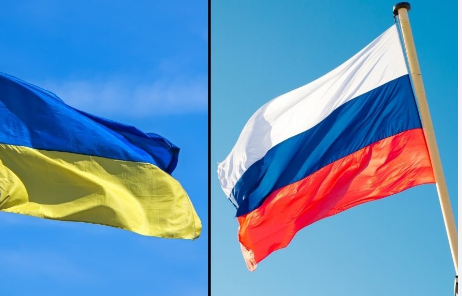
Istanbul (Web Desk/Agencies): In a renewed diplomatic effort to end the ongoing war, Russia and Ukraine exchanged proposals on Monday during talks in Istanbul, aiming to find a path out of Europe’s most devastating conflict since the Second World War.
According to international media, Ukrainian President Volodymyr Zelensky emphasized that any eventual agreement must not benefit Russian President Vladimir Putin, though he confirmed that Kyiv remains prepared to make the necessary moves toward peace.
The meeting marked the first time the two sides have engaged in direct negotiations since the early stages of Russia’s 2022 invasion, a development reportedly encouraged by US President Donald Trump.
Despite this rare interaction, the opposing positions of both governments continue to block significant progress.
The talks came just one day after Ukraine executed one of its most daring attacks inside Russian territory, using drones to strike strategic airbases and inflict damage on approximately 40 bombers stationed thousands of kilometers from the front lines.
Last month’s initial session in Istanbul had led to a major prisoner exchange but failed to achieve any reduction in hostilities.
Following Monday’s discussions, which took place at the historic Ciragan Palace, now a luxury hotel on the Bosphorus, Zelensky confirmed that documents were passed via Turkish mediators and that another prisoner release was being arranged.
Speaking from Vilnius shortly after the meeting, he reiterated that peace must not come at the cost of rewarding aggression and insisted that Russia must gain nothing that could legitimize its actions.
Turkish Foreign Minister Hakan Fidan opened the proceedings by highlighting global interest in the outcome, underscoring the international stakes of the conflict.
Zelensky maintained Ukraine's willingness to pursue peace, provided that Russia abandoned its rigid ultimatums. A member of the Ukrainian delegation expressed cautious optimism before the meeting, suggesting progress was possible if Russia showed real flexibility.
Ukraine’s core demand is for a complete and unconditional ceasefire that would allow space for further negotiations on a long-term solution.
However, Moscow continues to reject such terms, stating that any peace agreement must address what it calls the fundamental causes of the war. These include controversial demands such as limiting Ukraine’s military capabilities, permanently banning NATO membership, and ceding territories—positions that Kyiv and its Western allies denounce as baseless and imperialistic.
The war has left tens of thousands dead, displaced millions, and devastated wide regions of Ukraine’s east and south. In Dobropillya, a town near the front line, a 53-year-old resident named Volodymyr expressed disillusionment with the negotiations, stating that his home was destroyed and he no longer holds out hope for a resolution.
In the nearby garrison city of Kramatorsk, a Ukrainian soldier voiced similar doubts, saying he has no faith in the outcome of the Istanbul talks, though he longs for even a temporary pause in fighting to recover the fallen and stop the bloodshed.
Meanwhile, Ukraine claimed responsibility for Sunday’s drone attack on Russian airbases, describing it as the result of an 18-month operation by its security service. According to Kyiv, drones were smuggled deep into Russian territory and launched from locations close to the targeted airfields.
The estimated damage to Russia’s strategic aircraft fleet totaled around $7 billion. In recent weeks, Russian forces have gained ground, with May marking a noticeable acceleration in their territorial advances, based on assessments from the U.-based Institute for the Study of War.
As the Istanbul negotiations unfolded, Russian officials reiterated their demands for Ukraine to surrender Western military support and give up control over contested regions.
While Kyiv has hinted it might recover some of its territory through diplomatic channels rather than on the battlefield, it continues to insist on firm security guarantees backed by the West—such as NATO protections or foreign troops—options that remain unacceptable to Moscow.
Neo News | Copyright © 2026