Thu, September 17, 2026

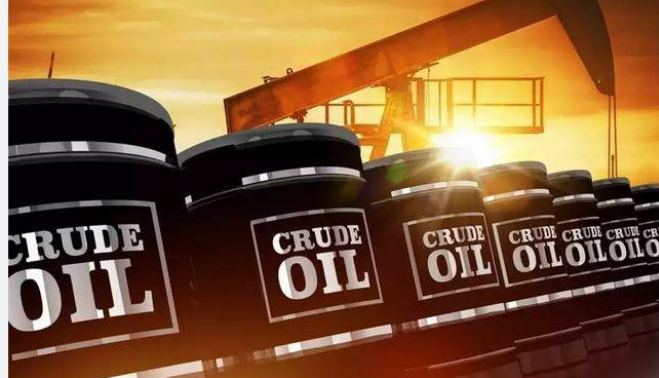
New York/London (Web Desk): Oil markets jumped significantly after Donald Trump renewed his warning of a forceful military escalation against Iran, while stopping short of outlining any clear plan for bringing the conflict to a close.
The global benchmark Brent crude surged by over 8 percent, climbing past $108.95 per barrel, as nervousness spread across financial markets. Stock exchanges in the United States (US), Europe, and Asia all slipped following Trump’s televised remarks from the White House, reflecting growing concern among investors.
During his address, Trump said the US was close to achieving its military objectives and suggested the campaign could continue for another two to three weeks. He used stark language to describe the intensity of the planned strikes, indicating a prolonged and aggressive phase of operations.
Earlier on Wednesday, oil prices had briefly dropped below the $100 mark amid expectations that Trump might signal a path toward ending the war. Instead, his speech largely echoed previous statements, offering no fresh clarity and dampening hopes for de-escalation.
The conflict has already caused major disruptions to global oil and gas supplies, particularly around the Strait of Hormuz. Shipments through this crucial passage have mostly been suspended after Iran warned it would target vessels attempting to pass, in retaliation for joint US-Israeli strikes that began on February 28.
Economic analysts have warned that signals from US President Donald Trump about stepping back from safeguarding the Strait of Hormuz, along with his threats to target Iran’s oil infrastructure, have heightened fears of a disruption in global oil supply.
While the president has pointed to Venezuelan crude as a potential alternative, persistent uncertainty in the market has left investors uneasy and cautious.
The sudden surge in oil prices has also raised concerns about a fresh wave of inflation worldwide. Countries across Asia and Europe, many of which rely heavily on energy imports from the Middle East, are likely to feel the brunt of the situation.
Analysts caution that the resulting pressure could drive up production costs and intensify economic strain in these regions.
Neo News | Copyright © 2026