Thu, September 17, 2026

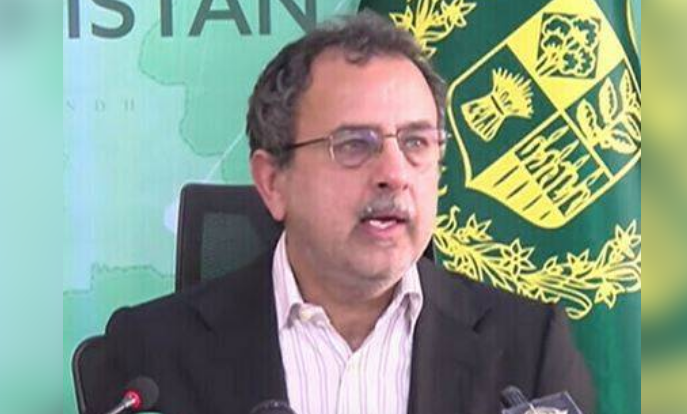
Islamabad (Web Desk): Energy Minister Awais Leghari on Friday stated that the practice of load management has been discontinued nationwide after fresh liquefied natural gas (LNG) shipments arrived in the country.
In a video statement posted on his X account, he said consumers had recently experienced power outages due to a temporary shortage in gas supply. He recalled that on April 13 and 14, electricity was interrupted for up to five hours because of load shedding.
لوڈ مینجمنٹ کے خاتمے کے متعلق وفاقی وزیر توانائی سردار اویس احمد خان لغاری کا اہم پیغام:
— Awais Leghari (@akleghari) May 1, 2026
الحمدللہ، ایل این جی کی بروقت فراہمی کے بعد ملک میں بجلی کی لوڈ مینجمنٹ کا خاتمہ کر دیا گیا ہے۔ حالیہ دنوں میں گیس کی کمی کے باعث محدود وقت کے لیے لوڈ شیڈنگ کرنا پڑی، تاہم حکومت نے ذمہ دارانہ… pic.twitter.com/2ZCEPGDPGK
However, from April 17 to 19, no such outages were carried out, and between April 19 and April 29, the duration of load shedding was reduced to roughly two to two-and-a-half hours.
The minister explained that the recent electricity shortfall and scheduled outages earlier this month were not the result of any technical breakdown or lack of generation capacity, but were instead caused by temporary limitations in fuel supply.
He remarked that for the first time in several years, such a situation had emerged after load shedding was previously brought to an end during Nawaz Sharif’s government. According to him, the gas shortage developed due to disruptions in LNG imports linked to ongoing tensions between the United States and Iran.
Leghari added that although electricity could have been generated using costly fuels such as diesel and furnace oil to eliminate load shedding completely, this would have placed an additional financial burden on consumers.
He said the government had been compelled to rely on these expensive alternatives to bridge the demand gap, which would have pushed electricity prices higher.
He confirmed that additional LNG cargoes purchased on spot rates have now reached Pakistan, improving fuel availability for power plants. He also noted a significant increase in hydropower generation, which rose from around 1,000 megawatts to 6,000 megawatts, helping ease pressure on the system.
With the improved fuel supply, he said load shedding has now officially ended and expressed optimism that scheduled power cuts would no longer be necessary in the coming days.
Rejecting claims about a shortage in installed capacity, the minister said Pakistan’s total electricity generation capacity stands at approximately 32,000 megawatts rather than 46,000 megawatts as suggested by some critics.
He added that hydropower output naturally varies with seasons, which affects overall generation levels.
He further stated that furnace oil-based power plants had been operated to manage the shortfall, but the government would continue efforts to shield consumers from rising electricity costs.
The country has recently been facing a power deficit of about 6,500 megawatts, which led to extended outages in various regions and growing public concern. Earlier this month, the Power Division had introduced limited “load management” during peak hours to manage demand.
However, reports from several urban and rural areas indicated that actual outages were significantly longer than officially stated, with some remote regions experiencing cuts lasting up to 12 to 16 hours, severely affecting daily life.
Authorities had said the load management policy aimed to reduce the use of costly fuel and prevent further increases in electricity tariffs.
Meanwhile, global fuel markets have remained volatile due to rising geopolitical tensions in the Middle East, particularly between the United States and Iran, which led to a sharp increase in petroleum prices.
As a result, the government has repeatedly adjusted domestic fuel prices in recent weeks, including substantial increases and partial reductions announced at different times.
Neo News | Copyright © 2026