Thu, September 17, 2026

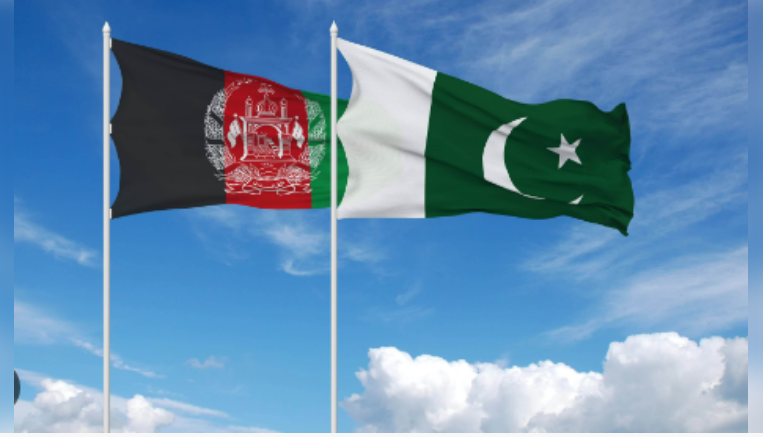
Istanbul (Web Desk): Pakistan and Afghanistan have agreed to uphold their existing ceasefire following a new series of negotiations held in Istanbul, confirmed Turkiye's Foreign Ministry on Thursday.
According to a joint statement released by Turkiye, further modalities of the implementation will be discussed and decided in a Principal level meeting in Istanbul on November 6.
Joint Statement on the Talks Between Afghanistan and Pakistan Through the Mediation of Türkiye and Qatar https://t.co/y1SH30i88Q pic.twitter.com/wH4GW3SC9k
— Turkish MFA (@MFATurkiye) October 30, 2025
The ministry said the Istanbul meetings, held from October 25 to 30, were a continuation of the earlier discussions in Doha from October 18 to 19, where the two neighbours had initially reached an understanding to halt hostilities.
It added that all parties agreed to establish a joint mechanism for monitoring and verifying ceasefire compliance, along with a framework to impose penalties on any side found violating the agreement.
Turkiye and Qatar, serving as mediators, reaffirmed their commitment to assisting both nations in achieving lasting peace and stability.
The peace process had resumed after an earlier breakdown in dialogue, when Taliban reportedly refused to give verifiable assurances that militant groups, particularly the Tehrik-e-Taliban Pakistan (TTP), would not use Afghan territory to target Pakistan.
Information Minister Attaullah Tarrar had confirmed that despite presenting substantial evidence to support its security concerns, the previous round of discussions ended without a breakthrough.
Pakistan, however, agreed to return to the negotiating table at the insistence of Turkiye and Qatar, emphasizing that it wished to give peace another chance while calling on Kabul to demonstrate sincerity in curbing cross-border militancy.
According to a source close to the Taliban delegation, most of the contentious points had been settled amicably, though a few of Pakistan’s demands required additional time and consideration.
Defence Minister Khawaja Muhammad Asif said meaningful progress in the peace process would depend on Kabul’s willingness to alter its position under the guidance of Qatar and Turkiye.
He warned that Pakistan would respond firmly to any attempts aimed at destabilizing its territory, while reiterating that Islamabad sought a cooperative and peaceful relationship with Afghanistan.
Pakistan has witnessed a sharp increase in militant attacks across Khyber Pakhtunkhwa and Balochistan since the Taliban takeover in 2021.
Despite repeated calls, the Afghan regime has failed to take tangible action against terrorist groups responsible for targeting Pakistani security forces and civilians. Instead, tensions escalated when Afghan troops carried out unprovoked firing along the border on October 12.
In retaliation, Pakistan’s armed forces launched counter-strikes that killed more than 200 Taliban fighters and their affiliates, though 23 Pakistani soldiers were also martyred during the clashes.
Pakistani forces later conducted targeted operations inside Afghanistan, including in Kabul, destroying several militant hideouts.
Hostilities eventually subsided when Pakistan accepted the Taliban’s request for a temporary ceasefire on October 17, which opened the door for renewed negotiations first in Doha and later in Istanbul.
Although the Istanbul round ended without concrete progress, the continuation of the ceasefire has been viewed as a positive development, with mediators expressing hope that upcoming talks could lead to a more durable peace arrangement between the two neighbours.
Neo News | Copyright © 2026