Thu, September 17, 2026

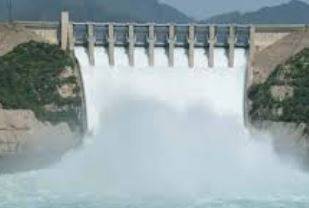
The Hague (Web Desk): The Permanent Court of Arbitration (PCA) ruled on Monday that India remains bound by the Indus Waters Treaty (IWT) with Pakistan and ordered restrictions on construction at a hydroelectric project in the in the Indian Illegally Occupied Kashmir (IIOJK).
The Hague-based tribunal determined that the water-sharing accord between the two countries continues to have full legal effect, rejecting any basis for India to suspend or terminate the agreement.
It further said a neutral expert selected by the World Bank is due to determine by July 2027 whether the design of hydroelectric projects in the Himalayan region meets the requirements laid down under the treaty.
India placed the Indus Waters Treaty in abeyance after an attack in April 2025 in Indian Illegally Occupied Jammu and Kashmir (IIOJK), in which 26 people were killed. New Delhi blamed Pakistan for the attack, a charge Islamabad has repeatedly rejected.
India then used the allegations as a justification for launching military action against Pakistan in May 2025. The confrontation became the most severe episode of hostilities between the two neighbouring countries in decades before the fighting stopped under a ceasefire brokered by the United States.
#PCA Press Release | The Indus Waters Western Rivers Arbitration (Islamic Republic of Pakistan v. Republic of India)
— Permanent Court of Arbitration (@PCA_CPA) August 31, 2026
???????????? ???????????????????? ???????? ???????????????????????????????????????????? ???????????????????????? ???????????????????? ???????? ???????????? ???????????????????????? ???????? ???????????? ???????????????????? ???????????????????????? ???????????????????????? ????????????… pic.twitter.com/0QWASt85Cw
In Monday's ruling, the Hague court also introduced interim restrictions on India's construction activities at the Ratle Hydroelectric Plant in the Kashmir region. India has been prohibited from concreting the dam wall and power intake structure beyond specified levels until 90 days after the neutral expert issues a final decision. That ruling is expected in July 2027.
The arbitration panel is headed by Professor Sean D Murphy of the United States. Its other members are Professor Wouter Buytaert of Belgium, Professor Jeffrey P Minear of the United States, Jordanian Judge Awn Shawkat Al-Khasawneh and Australian Dr Donald Blackmore, according to the court's press statement.
The tribunal also examined India's decision in April 2025 to put the Indus Waters Treaty "in abeyance" following the attack in IIOJK. It found that the move could only be interpreted as India's position that the treaty had either been suspended or brought to an end.
The judges reviewed every possible legal justification India could invoke for taking such a step, including reasons referred to in statements issued publicly by the Indian government. The tribunal unanimously concluded that none of those grounds was sufficient to permit suspension or termination of the treaty.
"Accordingly, the Indus Waters Treaty remains fully in force, and India must observe its obligations under the treaty, including those relating to the design and operation of its hydro-electric projects on the western rivers," the court said.
The tribunal then addressed Pakistan's request for temporary measures concerning the Ratle project while the neutral expert considers whether the facility's design is consistent with the treaty.
Under the measures announced by the court, India cannot carry out concreting above specified levels on the Ratle dam wall or its power intake structure until 90 days have passed after the neutral expert's final decision, which is expected around July 16, 2027.
The court has also required the submission of information concerning the timetable for construction work at Ratle.
The wider arbitration relates to the design of specific features of run-of-river hydroelectric projects that India is permitted to develop under the treaty on the Indus, Jhelum and Chenab rivers and their tributaries before the waters enter Pakistan.
The proceedings involve two Indian facilities in particular — the Kishenganga Hydroelectric Plant and the Ratle Hydroelectric Plant. Both projects are simultaneously being examined by a neutral expert, an engineer appointed by the World Bank with the task of assessing their compliance with the treaty.
Pakistan first invoked the arbitration mechanism under the Indus Waters Treaty in August 2016.
India's objections led the World Bank to halt the process of appointing the chairman of the arbitration court and the neutral expert in December that year. The pause was eventually removed in 2022.
In July 2023, the tribunal issued an Award on Competence and rejected India's challenge to its jurisdiction. The legal proceedings were followed by an Award on Issues of General Interpretation in August 2025, a ruling on Pakistan's Request for Clarification in November 2025, and an Award Concerning Maximum Pondage in May 2026.
Neo News | Copyright © 2026