Thu, September 17, 2026

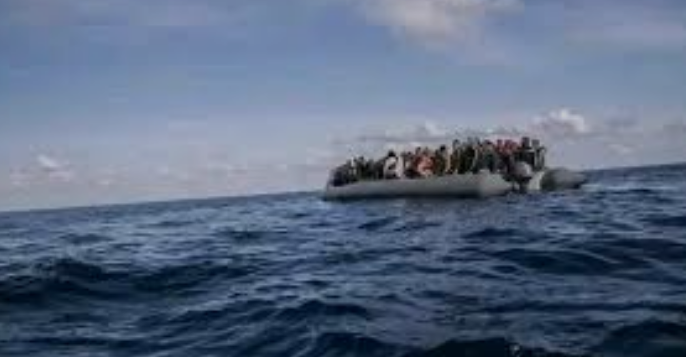
Tripoli (Web Desk): Nearly a hundred Sudanese refugees have either perished or vanished in two separate migrant boat tragedies off Libya’s coast last weekend, international agencies reported on Wednesday, warning that the numbers could climb further.
The United Nations refugee agency (UNHCR) and the International Organization for Migration (IOM) said the disasters occurred near Tobruk, an eastern Libyan port city.
On Saturday, a vessel carrying 74 people capsized, leaving only 13 survivors, while dozens remain missing. The UNHCR confirmed that most of those on board were Sudanese fleeing conflict.
A day later, another calamity struck when a rubber dinghy headed toward Greece caught fire while transporting 75 Sudanese refugees. According to the IOM, at least 50 people lost their lives in that blaze.
The group said 24 survivors were given emergency medical care but did not clarify whether one passenger was still missing from the incident. No demographic details about the victims have been released so far.
Libya has long served as a main departure point for people attempting to reach Europe via the Mediterranean.
The IOM estimates that between January 1 and September 13 of this year, 456 migrants died and 420 disappeared along the central Mediterranean route. At the same time, Libyan authorities intercepted 17,402 migrants—including over 1,500 women and nearly 600 children—and returned them to the country.
The war in Sudan between the army and paramilitary forces has displaced hundreds of thousands, with more than 140,000 entering Libya over the past two years.
This influx has nearly doubled the Sudanese refugee population there. Many endure harsh exploitation, while others gamble on the perilous sea crossing despite the risks.
The IOM continues to classify the central Mediterranean as one of the deadliest migrant passages worldwide. In 2024 alone, 2,573 lives were lost in attempts to reach Europe by sea.
Libya itself remains unstable years after the 2011 NATO-backed revolt that toppled Muammar Gaddafi. Power remains divided between the UN-recognised government in the west and a rival administration in the east supported by military commander Khalifa Haftar.
Smuggling and trafficking networks thrive in this chaos, with rights groups documenting abuses ranging from forced labour to extortion and modern slavery.
Neo News | Copyright © 2026