Thu, September 17, 2026

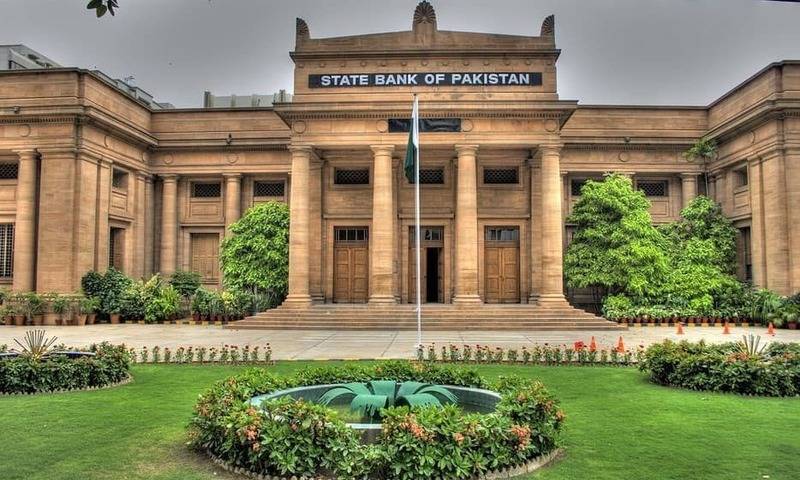
Karachi (Web Desk): The Monetary Policy Committee (PMC) of the State Bank of Pakistan (SBP) decided to keep the policy rate unchanged at 11.5 percent in its meeting held in Karachi on Monday.
In its latest review, the MPC acknowledged that international oil prices have softened due to encouraging geopolitical developments.
The Monetary Policy Committee decided to keep the policy rate unchanged at 11.5 percent in its meeting held on June 15, 2026.#SBPMonetaryPolicy
— SBP (@StateBank_Pak) June 15, 2026
However, prices remain above the levels recorded before the recent conflict. The committee noted that the prolonged unrest in the Middle East is increasingly influencing the domestic economy, as reflected in inflation figures that moved into double-digit territory during April and May, while underlying inflationary pressures also strengthened.
The MPC observed that economic momentum has begun to ease due to elevated inflation, ongoing fiscal restraint measures and uncertainty surrounding the broader economic environment. Despite these challenges, it said that pressures on Pakistan’s external sector continue to remain within manageable limits.
Following a detailed assessment of current trends and associated risks, the committee determined that the overall economic outlook has not changed significantly since its previous meeting. It therefore considered the existing monetary policy stance sufficient to help steer inflation towards the medium-term target range of 5% to 7%.
The committee also pointed to several notable developments since its last review. Preliminary estimates suggest that Pakistan’s economy expanded by 3.7% during FY26.
Consumer and business sentiment showed modest improvement, while the SBP’s foreign exchange reserves climbed to $17.2 billion by June 5, 2026, supported by the successful completion of IMF programme reviews and continued foreign currency purchases.
The MPC stated that prudent economic management, supported by a forward-looking monetary policy framework and ongoing fiscal consolidation efforts, has enabled the country to preserve macroeconomic stability despite the continuing Middle East conflict.
The committee reaffirmed its dedication to maintaining price stability and emphasised the need for faster structural reforms to enhance economic resilience, raise productivity and promote sustainable long-term growth.
Regarding inflation, the MPC highlighted that headline inflation accelerated sharply, rising from 7.3% in March to 10.9% in April and reaching 11.7% in May.
The increase was mainly driven by higher energy costs, increased transportation and production expenses, as well as an unexpected surge in wheat and wheat-based product prices. Core inflation also edged up to 8.7% in May.
The committee expects inflation to stay in double digits over the coming months before gradually moderating. However, it cautioned that the inflation outlook remains vulnerable to several risks, including geopolitical uncertainties, movements in global commodity prices, revisions in domestic energy tariffs, possible fiscal slippages and weather-related disruptions affecting food prices.
Neo News | Copyright © 2026