Thu, September 17, 2026

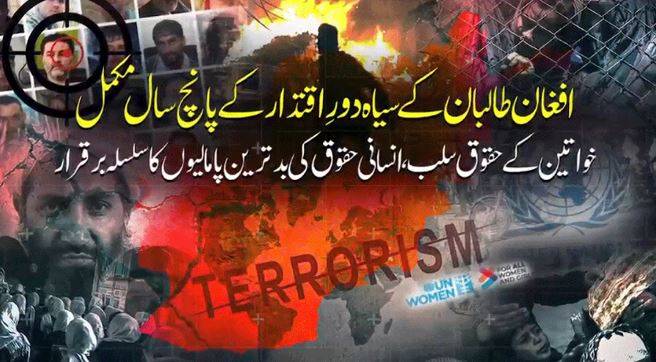
Afghanistan (Web Desk): The Taliban’s five-year rule in Afghanistan has been marked by widespread restrictions on fundamental rights, with the United Nations repeatedly raising concerns over the deteriorating human rights and humanitarian situation in the country.
UN agencies have documented a range of measures introduced by the Taliban since returning to power, particularly those affecting women and girls.
According to a recent report by UN Women, the Taliban authorities have issued more than 100 orders, directives and restrictions targeting women, creating what the report describes as a discriminatory system that has significantly limited their participation in public life.
Restrictions on education and employment have had particularly serious consequences. Afghan women and girls continue to face severe barriers to accessing education and professional opportunities, while limitations on their employment are also affecting essential sectors such as education and healthcare.
UN Women has warned that the continued exclusion of women from education and employment could create a serious shortage of female professionals in Afghanistan. By 2030, the country could face a shortfall of more than 25,000 female teachers and healthcare workers, potentially placing additional pressure on already struggling public services.
The humanitarian situation has also continued to deteriorate. The United Nations World Food Programme has reported a worsening food crisis in Afghanistan, with millions of people facing serious food and nutrition challenges.
According to the WFP assessment cited in the report, around 3.7 million children and more than 1.2 million pregnant women are suffering from severe malnutrition.
The situation has been compounded by economic hardship, limited access to essential services and the country’s broader humanitarian crisis.
The continuing restrictions on women, coupled with growing food insecurity and inadequate access to healthcare and education, have raised concerns among international organisations about Afghanistan’s long-term social and economic stability.
UN agencies have repeatedly called for greater protection of fundamental rights and improved access to essential services, particularly for women and children, warning that continued restrictions could deepen the country’s humanitarian challenges and further undermine its development.
Neo News | Copyright © 2026