Wed, September 16, 2026

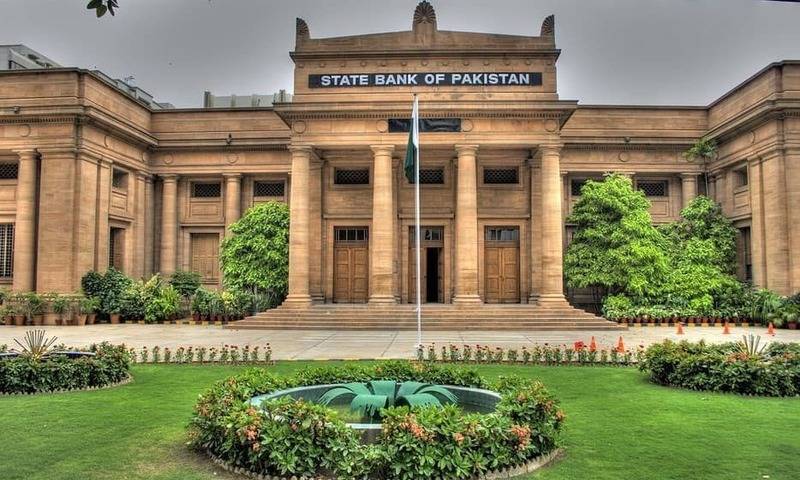
Karachi (Web Desk): The State Bank of Pakistan’s (SBP) Monetary Policy Committee (MPC) on Monday decided to maintain the benchmark policy rate at 11.5 per cent.
The decision was taken amid continued geopolitical tensions in the Middle East, which have pushed international oil prices higher and added to inflationary pressures.
The Monetary Policy Committee (MPC) has decided to keep the Policy rate unchanged at 11.5 percent in its meeting held on September 14, 2026.
— SBP (@StateBank_Pak) September 14, 2026
In its detailed statement, the MPC said the decision to retain the policy rate was approved by seven of its 10 members. The committee highlighted the latest intensification of the Middle East conflict, saying it had contributed to higher global commodity prices while keeping supply chain disruptions persistent.
“However, recent domestic macroeconomic data turned out broadly in line with the MPC’s expectations,” the statement said, noting that headline inflation climbed to 11.1pc year on year in August from 9.2pc in July, while “core inflation was slightly lower than expectations”.
“External account pressures remained contained, supported by robust workers’ remittances and higher financial inflows.”
The committee also pointed to signs of stronger economic activity, which it said had been reflected in recent high-frequency indicators.
According to the MPC, the existing monetary policy stance remained “appropriate to guide inflation towards target range of 5-7pc over the medium term”.
“However, uncertainty regarding the outlook has increased, particularly from the worsening geopolitical environment.”
Among the major developments since the previous MPC meeting, the committee noted that Moody’s had raised Pakistan’s sovereign credit rating to B3 while maintaining a stable outlook.
The MPC further highlighted Pakistan’s return to international capital markets, where the country “raise[d] $3bn through Eurobonds,” helping lift foreign exchange reserves to above $21bn.
“Third, inflation expectations of both businesses and consumers increased in September, while their confidence weakened,” the statement read.
The committee also noted that large-scale manufacturing recorded a 3.5pc decline in June, taking “cumulative FY26 growth to 5pc”.
“Fifth, fiscal consolidation turned out higher than the budgetary target during FY26,” it said, while adding that Federal Board of Revenue (FBR) tax collection remained “on-target” during July to August in FY27.
It continued: “While SBP transferred higher profit of Rs1.9 trillion than the budgeted amount of Rs1.4tr to the government.
“Lastly, central banks have become more cautious amidst challenging global economic conditions.”
Considering these developments, the MPC reaffirmed its commitment to “achieving price stability with close monitoring of incoming data and the ongoing situation in the Middle East”.
The committee further warned that geopolitical shocks and weather-related disruptions had become more frequent, creating additional risks for the country’s broader macroeconomic outlook.
Against this backdrop, the MPC emphasised the importance of maintaining a “prudent monetary and fiscal policy mix and further buildup of buffers to absorb supply shocks”.
While bankers had largely expected the central bank to leave the policy rate unchanged, some analysts believed the SBP was facing a difficult choice and could have raised the rate by 50 basis points.
Fresh hostilities between the United States and Iran, coupled with concerns over possible interruptions to shipping through the Strait of Hormuz, have kept global oil prices elevated. For Pakistan, which relies heavily on imported energy, this has increased the cost of imports.
The Sensitive Price Index (SPI), which tracks weekly inflation, increased 8.62pc year on year during the week ending September 10, with expensive onions and petroleum products among the main contributors to the rise.
The SBP has kept the policy rate unchanged since increasing it by 100 basis points in April amid mounting global energy costs and supply chain concerns. That increase marked the central bank’s first rate hike in almost three years.
Prior to that move, the SBP had retained the rate at 10.5pc in January and March after unexpectedly reducing it by 50 basis points in December 2025.
Since mid-2024, the central bank has lowered its key policy rate by a cumulative 1,050 basis points, bringing it down from a record 22pc reached in June 2023 as inflation eased considerably from multi-decade highs.
Neo News | Copyright © 2026