Thu, September 17, 2026

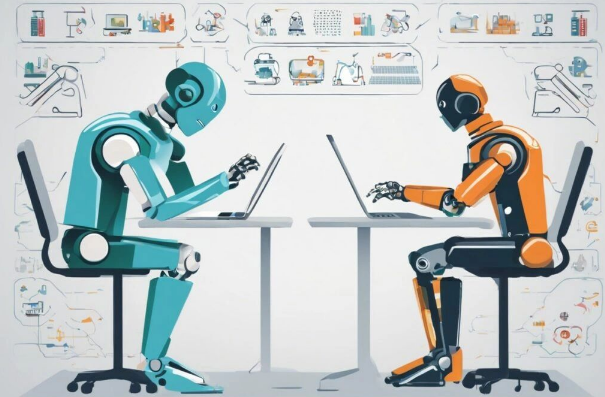
Washington (Web Desk): Since the start of 2025, leading technology companies in the United States (US) have continued making significant workforce reductions.
Official data indicates that over 94,000 professionals have been laid off, primarily as a result of the growing implementation of artificial intelligence (AI) and automation tools across various industries.
This shift is particularly affecting fields such as software development, data analytics, customer support, and even sectors traditionally considered more creative.
A major factor behind these layoffs is the adoption of generative AI systems like ChatGPT, Gemini, and Copilot, which are increasingly being used to perform tasks that previously required entire teams of people. These tools can now generate code, draft documents, and handle client communications in a fraction of the time it once took human employees.
As businesses strive to streamline operations, reduce expenses, and remain competitive, many are opting to replace manual labour with automated solutions.
While this transformation is seen by corporations as a step toward higher productivity and efficiency, it has sparked concern among workers and labour organisations.
Many fear that the trend will worsen existing social divides and put individuals with limited digital skills at greater risk of unemployment. Critics argue that the push toward automation often overlooks the human cost of such transitions.
Economists warn that this pattern is unlikely to slow down. As artificial intelligence tools become more advanced and accessible, a growing number of conventional job roles may become outdated.
On the other hand, new career paths are emerging for professionals who possess expertise in managing and utilizing these evolving technologies.
Recognizing the long-term implications, international institutions such as the United Nations (UN) and the World Bank are encouraging both governments and private companies to implement policies aimed at retraining and upskilling the workforce.
These proactive efforts are seen as essential for helping workers adapt to a labour market increasingly shaped by technological innovation.
Neo News | Copyright © 2026